How maintenance works in township communities

In big townships, maintenance charges are collected from all homebuyers so that the township functions smoothly and in a clean way. From the cleaning of common areas to the smooth operation of lifts, everything runs on a well-planned maintenance system. So, the maintenance amount is collected and managed by the homeowners’ team in a township.
Let us see how maintenance works in township communities,
There is a framework for charging, collecting, and using the maintenance fees, which are as follows:
- When to pay: Quarterly, Monthly, or yearly intervals.
- What to use: For upkeep of common areas, staff salaries, utilities, repairs, and security.
- Deciding charges: Based on usage, flat size, or an equal amount.
- Revisions: To revise charges, it needs a team decision or a member's approval.
By maintaining clear bylaws, there will be enough transparency and fairness in the maintenance charges.
The RERA rules for maintenance charges are
- Regulations for fair notice and member rights
- Dispute resolution related to the upkeep charges.
- Adhere to the society's acts
- Rules specifying how the township must maintain and account for the funds.
Societies must comply with these laws to avoid any legal issues in the future and for smooth operations.
What Does Society Maintenance Charges Cover?
It covers a broad range of expenses that are essential to the smooth operation of a township.
Some of them include:
- Utility Bills - Electricity in common areas, clubhouse, street lights, and water supply to tanks are added.
- Repairs – If there is a leaking pipe or a lift breakdown, the fee is allocated to handle it without delay.
- Facility Upkeep - Whether it is the gym, spa, party halls, club house, or gardens, they need regular cleaning or upgrades.
- Salaries - Townships rely on a team of staff, such as security guards, cleaners, sweepers, and others. Their monthly wages are added.
How to calculate Maintenance Charges
There are 3 ways to calculate these charges
- Equal Fee Approach: Here, the same charge will be made from all owners
- Per Square Feet: It is based on the size of the unit
- Hybrid System: Base fee with variable charges based on size and its use
Payment Frequency
The payments for Maintenance Charges can be made in 3 ways
- Monthly: It is a common and regular method
- Quarterly: Here, the fee is paid every three months
- Annually: Here, the fee is paid as a lump sum amount per year
If owners do not pay the amount on time, it will lead to
- Penalties or interest on late amounts.
- Suspension of certain services
- Legal action based on laws.
GST on Maintenance Charges
GST on maintenance charges are collected by housing societies, where the GST Rate is 18% on the taxable value of the services. Townships must register for GST if turnover exceeds ₹40 lakh per year.
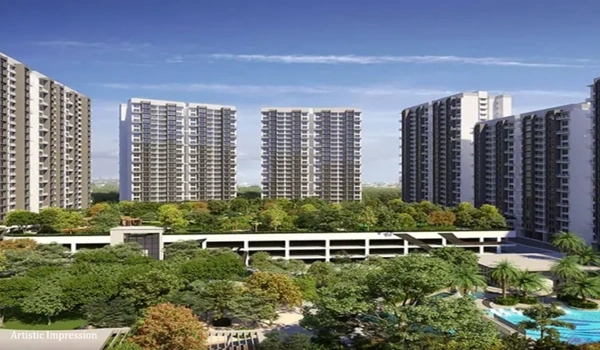
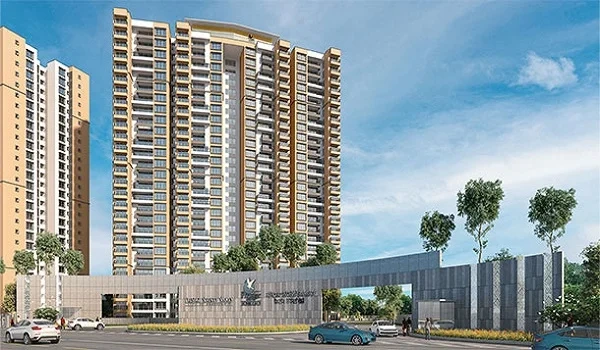
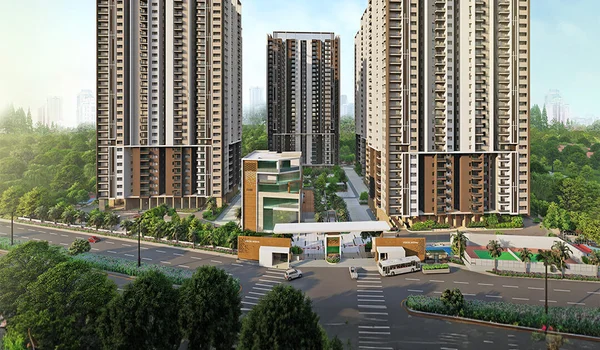
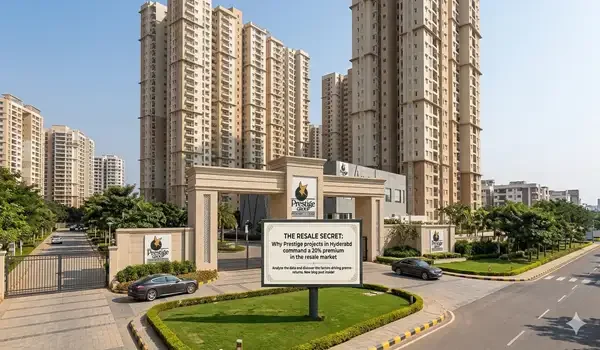
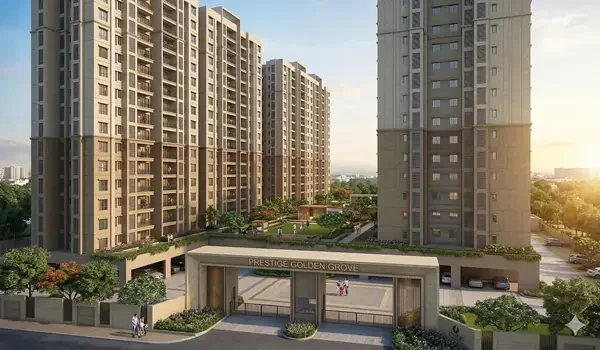
Modern gated townships like Prestige Golden Grove in Hyderabad have smart, future-ready solutions to pay monthly maintenance charges. Through a combination of smart management and tools, it makes it easier to handle society maintenance in an effective and transparent way in the township.
Conclusion
Maintenance charges are essential to be paid in big townships without fail on time for the smooth functioning of the property. The amount to be paid is decided by the township, and every owner must pay the amount on time without fail.
FAQS
- What happens if I do not pay the charges on time?
Non-payment on time can lead to penalties and legal action for recovery as per the rules.
- Is GST on maintenance charges valid for all housing societies?
GST depends on the nature of the society and local tax laws; generally.
- Who decides the amount of society upkeep charges?
The managing committee decides the e-charges as per the society laws and members’ approval.