Investment vs Owner-Occupied Decision Guide
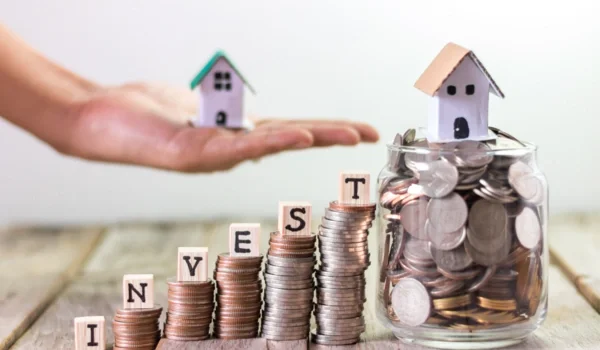

Featured Image of Investment Vs Owner Occupied Decision Guide

Buying a property is a very important decision in life. Before buying a home, many people are not sure whether they should buy it for their own living or for investment. Both options have different benefits, risks, and future profits.

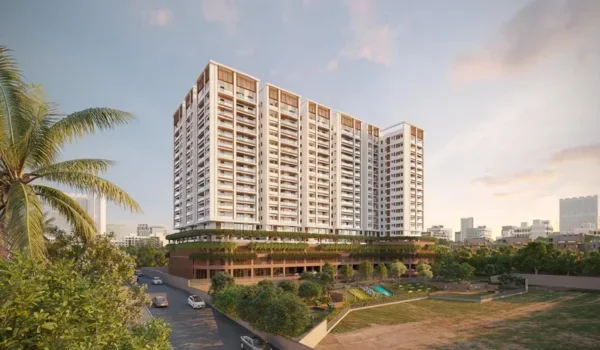
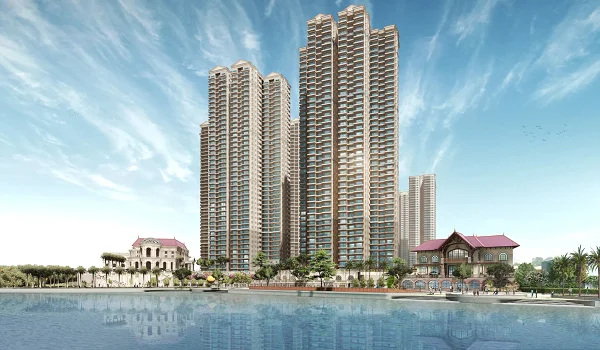
A self-use property gives comfort, safety, and a permanent place to live. On the other hand, an investment property can help you earn rent and grow your money in the future. If you are planning to buy your home at Prestige Golden Grove in Hyderabad, this guide will help you understand the full process in a simple and easy way.
What Is an Owner-Occupied Property?


An owner-occupied property is a house where the owner lives with their family. In simple words, it is a home bought mainly for living, not for earning rent or investment.

People usually buy owner-occupied homes for:

  • Comfort and safety
  • Family stability
  • Long-term living
  • Saving rent money

Benefits of Buying an Owner-Occupied Property


1. No Need to Pay Monthly Rent

When you own a house, you do not have to pay rent every month. Instead, your EMI helps you build ownership of your own property.

2. Comfort and Security

Owning a home gives a feeling of safety, stability, and peace of mind. You do not have to worry about changing houses frequently or dealing with landlords.

3. Long-Term Stability

A self-owned home gives your family a stable and secure place to live, which is helpful for children’s education and future plans.

4. Freedom to Customize Your Home

You can decorate, renovate, and design your home the way you like according to your needs and lifestyle.

5. Property Value May Increase

Over time, the value of your property may increase. If the area develops, you can sell it later at a higher price and make a profit.

6. Tax Benefits

Homeowners can also get tax benefits on:

  • Home loan interest
  • Principal repayment
  • Stamp duty and registration charges

7. Emotional Satisfaction

Owning a home is a dream for many people. It gives a sense of pride and emotional satisfaction.

Challenges of Owner-Occupied Property


1. Long-Term EMI Commitment

When you take a home loan, you have to pay EMI every month for many years. This is a long-term financial responsibility that needs regular payment from your income.

2. Maintenance Costs

Homeowners also have to pay for:

  • Maintenance charges
  • Repairs
  • Property tax
  • Utility bills

These extra expenses increase the overall cost of owning a home.

3. Less Flexibility

If you need to move to another city for work or personal reasons, managing a self-owned property can become difficult.

4. High Initial Cost

Buying a home requires a large amount of money for:

  • Down payment
  • Registration charges
  • Stamp duty
  • Interior and furnishing costs

5. Market Risk

Property prices may not always increase quickly. Sometimes, real estate markets can remain slow for a long time.

What Is an Investment Property?


An investment property is a house or flat that is bought mainly to earn money, not for living.

People buy investment properties to:

  • Earn monthly rent
  • Get profit when the property price increases
  • Build long-term wealth

Benefits of Buying an Investment Property


1. Rental Income

You can earn money every month by renting out your property. This creates a regular income that can help you manage expenses or pay your home loan EMI.

2. Property Value Growth

Over time, the value of your property may increase. If the area develops well, you can sell the property later at a higher price and make a profit.

3. Wealth Creation

Real estate is a strong long-term investment that helps in building assets for the future.

4. Extra Income Source

Investment property gives you an additional income apart from your salary or business.

5. Tax Benefits

You can also get tax benefits on home loan interest and other related expenses.

6. Financial Security

It acts as a long-term asset that can support you financially in the future.

Risks of Investment Property


1. No Rental Income at Times

Sometimes the property may stay vacant, and you may not get any rent during that period.

2. Market Risk

Property prices do not always increase. Sometimes the market can be slow, and prices may stay the same or even go down.

3. Maintenance Cost

You still need to pay for repairs, maintenance, and other expenses even if the property is not rented.

4. Tenant Issues

Problems like late rent payment, property damage, or finding reliable tenants can happen.

5. Long-Term Investment

Real estate is a long-term investment. It means you need to wait for many years to get good returns. It is not suitable for making quick money.

Owner-Occupied vs Investment Property


Factor Owner-Occupied Property Investment Property
Purpose Personal living Earning returns
Main Benefit Stability & comfort Rental income & appreciation
Emotional Value High Moderate
Income Generation No direct income Rental income
Financial Goal Lifestyle improvement Wealth creation
Flexibility Lower Higher
Risk Level Moderate Depends on market
Enquiry
Enquire Now