Prestige Golden Grove RERA Approval
Last updated: 17 June 2026

Prestige Golden Grove RERA Approval is currently received by TS RERA, and the Registration No. is P01100010708 which is Approved on Date: 28/03/2026. The Telangana RERA Board approves it, and its details will be visible on its official website. The RERA Reg and Acknowledgement numbers will be showcased on the project websites and brochure. As per TS RERA, the project is listed as New Project (Residential) with Proposed Date of Completion 28/03/2031 and Litigations: No.
Interest customers can thoroughly keep a check on the RERA details on the official website. The official website of Telangana RERA Board is https://rera.telangana.gov.in/. Here, buyers can also access all projects, builders, banks, and other details. Now approved, buyers can view the sanctioned layout plan, carpet area details, development schedule, and tower-wise documents.
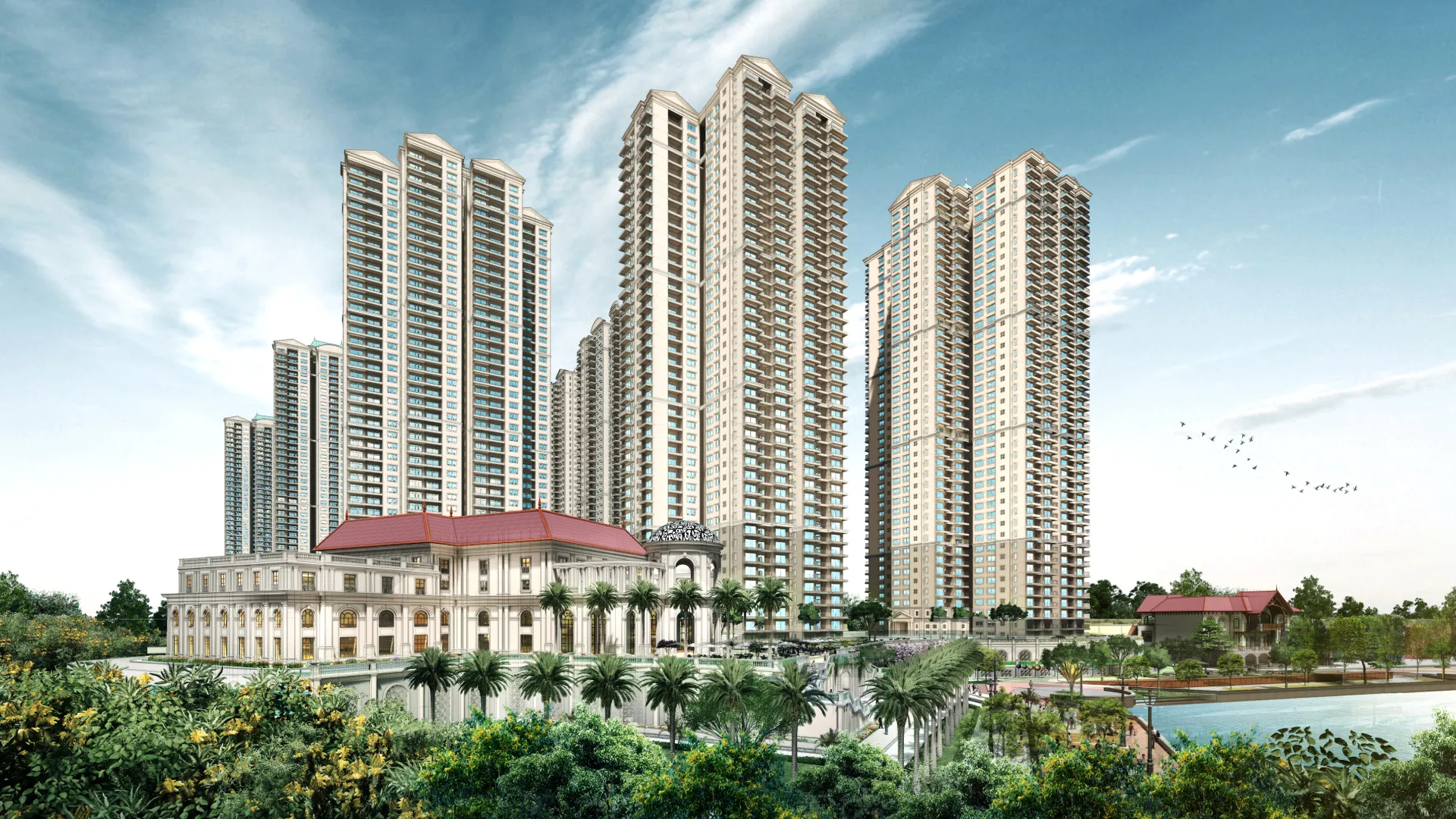
Prestige Golden Grove is a premium Prestige Group's housing apartment project by the Prestige Group. It is located in Tellapur, Hyderabad and covers a land area of 28.7 acres, with homes to 5120 flats. It is now launched, with the pre-launch held on 14 March 2026 and the Launch Date on 09 April 2026, and features 2, 3, and 4 BHK flats. The layout details of the venture and flats will be available on RERA's official website. The unit sizes range from 1,169 sq. ft. to 3,013 sq. ft., covering all major buyer requirements.
The site, being a Prestige Group property, is safe for investment as the builder has launched over 300 projects. RERA and other legal boards approve all these projects. Buyers can safely invest in this upcoming venture located in the prime area of the city. The possession of Prestige Golden Grove is scheduled for 11 April 2031 (Proposed Date of Completion: 28/03/2031), aligned with a 4-year RERA-monitored construction cycle.
About RERA
RERA (Real Estate Regulatory Authority) is a government body established under the Real Estate Act, 2016. It was created to regulate the real estate market and protect homebuyers. Its main aim is to bring clarity, fairness, and responsibility to the industry. It ensures a simple and standard process for both buyers and developers.
RERA-approved projects give safety to both buyers and builders. These projects ensure timely delivery, fair pricing, and compliance with RERA rules. They also protect the builder’s reputation. Under this Act, buyers can ask for a refund during construction if the builder fails to follow the rules.
Prestige Golden Grove, Hyderabad, offers many benefits as a RERA- approved project. These include:
- Transparency – The Act ensures full clarity. Builders must upload all project details, including land records, approvals, location, and costs. Buyers get clear information without checking multiple sources.
- Standard Carpet Area – RERA makes sure developers follow a fixed method to calculate carpet area. Buyers know the exact usable space they are paying for. This leads to fair pricing and more trust.
- Timely Possession – Once the possession date is listed on the RERA website, the builder must hand over the units on time. This gives buyers certainty and helps them plan their finances.
- Buyer Protection – Buyers can file complaints with RERA if any issue arises. If prices are raised unfairly, false ads are used, or rules are broken, buyers can seek quick action.
The builder follows all RERA rules, and its other projects are also approved. With a secure location, legal clarity, and planned features, this project keeps buyers safe and makes investing here reliable. The project’s RERA approval will further strengthen buyer trust and make documentation easily accessible online.
What Buyers Can Verify on Telangana RERA for Prestige Golden Grove
After the project is registered, buyers can log in to rera.telangana.gov.in and search for Prestige Golden Grove by its project name or RERA number. On the project detail page, they will be able to cross-check:
- The sanctioned master layout for the 28.7-acre township
- Tower-wise building plans and total number of floors
- Carpet area and RERA area for each 2, 3, and 4 BHK unit
- Approved possession date – 11 April 2031 (Proposed Date of Completion: 28/03/2031) and construction milestones
- Details of the promoter entity (Aspire Spaces Tellapur Pvt Ltd — Prestige Group & Swela Realty JV) and its past track record
- Copies of key approvals, land titles, and legal certificates
This one official listing brings together everything that a homebuyer usually chases through brochures, sales teams, and site visits. For a big- ticket investment in Tellapur, this single RERA page is the safest starting point for due diligence.
How RERA Protects Buyers in a Township Like Prestige Golden Grove :
Prestige Golden Grove is a large 28.7-acre township with many towers, phases, and amenities. In big projects like this, RERA protection becomes very important. Once the project gets registered, the builder cannot change the layout, tower plans, common areas, or possession dates without following RERA rules.
If the project gets delayed or if the builder does not follow the approved plans, buyers can get support under RERA. They may receive interest or compensation based on the agreement. RERA also makes sure the builder uses the funds only for this project by keeping a fixed portion of the money in a separate account. This reduces the risk of delays, stalled towers, or unfinished amenities for buyers.
Prestige Golden Grove RERA Checklist for Homebuyers
Before booking a flat in Prestige Golden Grove, buyers can use a simple RERA checklist:
- Confirm that the project name, location (Tellapur, Hyderabad) and land extent match what is shown on the site and brochure.
- Verify that the tower number and unit type (2, 3, or 4 BHK) being offered are listed in the RERA inventory.
- Check the carpet area mentioned in the agreement against the carpet area shown on the RERA portal.
- Cross-check the possession date (11 April 2031) and construction milestones.
- Ensure that all payments are made only to the official project account mentioned in the RERA and agreement documents.
Using this checklist, buyers can confirm that the flat they are booking in Prestige Golden Grove is fully covered under the registered RERA project and not under any separate or unapproved phase.
Prestige Golden Grove RERA FAQs:
1. Is Prestige Golden Grove RERA approved?
RERA approval for Prestige Golden Grove has been received.
2. Where can the Prestige Golden Grove RERA number be checked?
The RERA number and project details can be checked on the Telangana RERA portal (rera.telangana.gov.in) under the registered projects list.
3. Does RERA cover all towers and units in Prestige Golden Grove?
Yes, the full 28.7-acre township, all 10 towers, and the 5120 units 2, 3, and 4 BHK apartments will be part of the same RERA filing.
4. What if the project is delayed beyond the possession date?
In case of delay beyond 11 April 2031, buyers are protected under RERA and can claim relief as per the provisions of the Act and the registered agreement.
Project Highlights:
| Attribute | Value |
| Project Name | Prestige Golden Grove |
| Project Type | Apartment Project |
| Project Stage | Launched (New Launch, Apr 2026) |
| Location | Velimela, near Tellapur, Hyderabad |
| Builder | Prestige Group — JV with Swela Realty (promoter entity: Aspire Spaces Tellapur Pvt Ltd) |
| Plot/Unit Sizes | 1,169 – 3,013 sq. ft. |
| Starting Price | Rs. 93 Lakhs onwards |
| Total Land Area | 28.7 Acres |
| Total Units | 5,120 Units |
| Tower Details | 10 Towers (2B + 3P + 52 Floors) |
| Approvals | TS RERA Received (P01100010708 | Approved Date: 28/03/2026) |
| RERA No | P01100010708 |
| Launch Date | 09 April 2026 |
| Completion Date | 28/03/2031 |
| Possession Date | 11 April 2031 |
Where Your Booking Money Goes — RERA Escrow Protection
Under RERA, your payments are protected by a regulated escrow structure (TS-RERA P01100010708; the project records no litigation and clear title). Here is how the money is ring-fenced.
| Account | Purpose |
| Collection account (100%) | All buyer payments are received here (Kotak Mahindra Bank). |
| Separate account (70%) | Ring-fenced — usable only for this project’s construction. |
| Transaction account (30%) | The balance, for other approved project costs. |
This 70:30 split is a RERA safeguard: the bulk of your money can only be spent on building the project you bought into.
Clear Title & Legal Due Diligence
A home purchase is only as sound as the papers behind it. Prestige Golden Grove sits on a clear-title 28.7-acre parcel with the core legal approvals in place — TS RERA registration (P01100010708), HMDA plan approval (013120/HMDA/03846/SWBP/SKP2/2026) and the required municipal permits. For a buyer this lowers legal risk: a clear title avoids future ownership disputes and keeps home-loan approval and resale straightforward. Always confirm the title and approval numbers on the Telangana RERA portal before booking.
Builder Warranty: What's Covered After Handover
Beyond RERA, the project carries builder-warranty obligations once you take possession. Structural warranty covers serious defects in columns, beams, slabs and the foundation — the elements that affect the building's strength, not cosmetic issues. Warranty on fittings covers installed items such as bathroom fittings, switches, doors, locks, windows, tiles and the kitchen sink for a defined period. Get the exact warranty terms and durations in writing as part of your agreement.
Home & Apartment Insurance Options
Warranty is separate from insurance, and both are worth arranging at handover. Building insurance covers the apartment structure — walls, roof and permanent fixtures. Home-contents insurance covers movable items like furniture, appliances, electronics and clothing. Fire insurance, one of the most common covers, protects the flat, wiring, appliances and personal belongings against fire damage. Together these protect both your asset and your possessions after you move in.
Prestige Golden Grove Blog