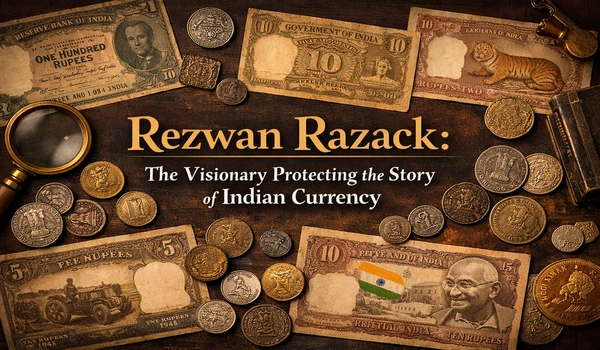
Rezwan Razack: The Visionary Protecting the Story of Indian Currency
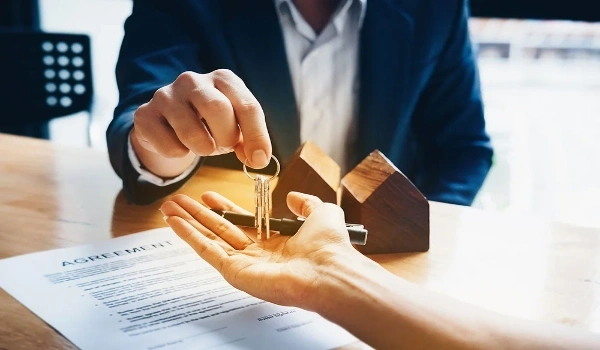
Rezwan Razack is a major figure in the Indian property market. He is the co-chairman of the Prestige Group. Families trust this company to build beautiful homes.
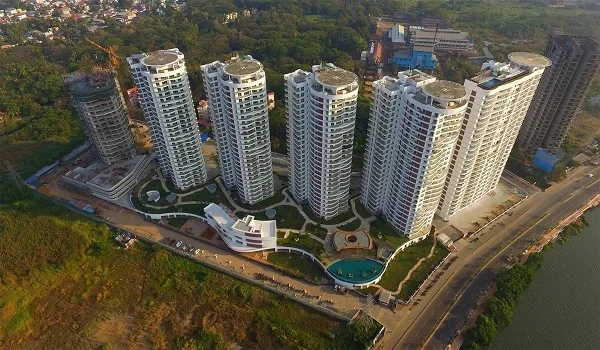
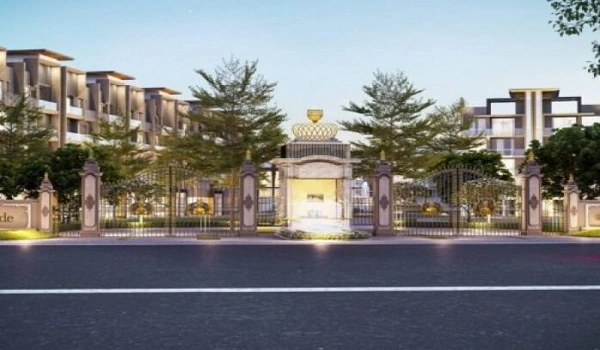
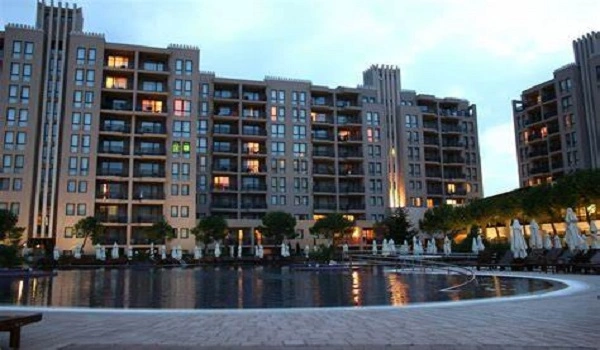
When buyers look at new properties like Prestige Golden Grove, they expect top quality. Razack ensures his company meets these high standards every single day.
But he also has a secret passion that surprises many people. For over fifty years, he has tracked down physical money. He collects old paper notes to save the financial history of the nation.
Most people just know his business side. However, his dedication to saving old currency is truly remarkable. He bridges the gap between our rich past and our fast-paced future.
A Childhood Discovery Sparks a Lifelong Habit
The whole journey began when he was just a twelve-year-old boy. He managed to open a heavy iron safe that his grandfather owned. Inside that dark safe, he noticed a very unusual piece of paper.
It looked like a standard bank note from India. But someone had stamped a specific warning on it. The stamp refused payment and mentioned Pakistan. This left the young boy scratching his head.
The paper showed the official seal of his home country right next to the name of a brand new nation. He desperately wanted to understand how this happened. He asked his family many questions about it.
This tiny event took place way before anyone could just look things up online. It kicked off a hobby that would last for fifty years. That single piece of paper launched what is now an incredible private archive.
Inside the Rezwan Razack Museum of Indian Paper Money Bangalore
As the years passed, his personal collection grew massive. He knew he needed a secure and organized space for all these items. He also felt a strong desire to share his fascinating finds with the public.
Because of this, he decided to create a special viewing area. The Rezwan Razack Museum of Indian Paper Money Bangalore is now open for anyone to visit. You can find this museum right inside the main corporate building of the Prestige Group.
It serves as a fantastic learning center. Local school students take trips there to see history in real life. College professors visit to study the rare details.
Even former leaders of the national bank have spent hours looking at the displays. This place proves that cash is much more than a tool for shopping. It is a physical timeline of human events.
Famous Notes on Display
People who visit the building get to see some truly amazing artifacts. Razack has tracked down pieces that survived major disasters. He also holds items that map out huge political shifts.
- The Ocean Survivor: A large boat sank to the ocean floor in 1922 while carrying printed money to India. Divers pulled these notes out of the salty water over a decade later. The paper was still in surprisingly great condition.
- The Divided Nation Money: When the country split in two back in 1947, the newly formed neighbor did not have its own currency ready. They had to use older notes stamped with their new government title.
- The Rejected Portrait: One specific design showed a British king, but the royal family hated it. They felt the king looked like he was wearing a simple bath towel, so the design was quickly scrapped.
- The Hollywood Prop: The display cases even contain fake currency created specifically for a famous spy movie filmed in the early 1980s.
Documenting the History of Indian Banknotes 1770 to Present
Putting this massive archive together required a lot of reading. He had to learn the complete History of Indian Banknotes 1770 to Present. This timeline is huge. It spans hundreds of years of trade.
It covers the early days when small private banks ran things. It includes the entire period of British control. It then moves into the modern era of a free India.
The artwork on our money shifts quite a bit over the decades. Many folks assume the famous portrait of Mahatma Gandhi has always been there. That is simply not true.
His image only became a permanent fixture on the five-hundred denomination in 1989. Before that time, most paper currency just showed a famous stone pillar. Razack carefully tracks every single change in these public policies.
The Rare Pre-Independence Indian Currency Collection
The oldest pieces in his folders are incredibly rare. The Rare Pre-Independence Indian Currency Collection gives us a clear look at how trade worked generations ago.
Before a single national bank took over, many different local groups created their own monetary systems.
| Time Period | Type of Money | Historical Detail |
| Early 1800s | Private Bank Notes | Local banks issued these pieces of paper to help traders in small towns. |
| Mid 1800s | British Colonial Notes | The ruling government started to control the entire regional money supply. |
| Early 1900s | Princely State Currency | Certain independent territories printed very unique local designs. |
| Late 1940s | Transition Notes | These rare items map out the difficult split of the entire region. |
Writing The Revised Standard Reference Guide to Indian Paper Money
Razack really wanted to help beginners who shared his passion. He noticed that no one had written a reliable guidebook for collectors. So he took on the challenge himself.
He spent countless hours gathering accurate facts and taking high-quality photographs. The final product was a heavy book called The Revised Standard Reference Guide to Indian Paper Money.
Today, history fans consider this book a masterpiece. It helps everyday people identify their old notes without any confusion. The pages list specific printing dates, hidden watermarks, and special bank signatures.
He recently published another detailed book focused just on the money from the Hyderabad region. By publishing his research, he ensures his hard work will guide people for decades to come.
The Rezwan Razack Prestige Group Numismatist Profile
His unusual hobby and his daily job share a very tight bond. If you look at the Rezwan Razack Prestige Group Numismatist Profile, you will see a man who thrives on exact details.
His family opened a modest clothing shop in 1956. He spent time working there and picked up crucial life skills. He learned how to measure fabrics without making a single mistake.
He also learned the importance of treating every shopper with total honesty. He applies those exact same principles to his large-scale property business.
When his team promises a certain square footage, they deliver it flawlessly. He demands this kind of perfection in his modern construction projects. He demands the same flawless quality in his historical archive.
Entering the IBNS Hall of Fame Rezwan Razack
Experts around the globe admire his endless dedication. The international community of currency collectors respects him highly. They recently awarded him a very special honor.
Fans of history now celebrate the IBNS Hall of Fame Rezwan Razack induction. The International Bank Note Society reserves this spot for the most devoted researchers on the planet.
Joining this elite club is a massive achievement. It proves that his fifty years of hunting for rare paper were completely worth it.
Important figures in his own country admire him just as much. A former national bank governor once stopped by for a quick thirty-minute tour. The leader was so amazed that he stayed for three whole hours.
What Happens When Cash Disappears?
Our modern world moves incredibly fast. People carry less physical cash every single month. Razack actually predicted this massive shift back in 2012.
He warned people that paper bills would eventually fade away. Few people took his warning seriously at the time. Today, digital wallets handle almost our entire economy.
We scan simple codes to buy groceries or pay for a quick taxi ride. Very soon, paper bills might completely vanish from our pockets. This makes his life work incredibly vital for our future.
He hopes that a young student visiting his displays in the year 2075 will feel total amazement. To that child, a physical bill will look like an ancient artifact. It will serve as hard proof of how their ancestors lived, worked, and traded.
Why Saving Old Money Matters Today
We have a duty to protect these fragile pieces of paper. They teach us how printing methods advanced through the centuries. They map out the changing borders of countries following major conflicts.
They stand as quiet reminders of past economic struggles and triumphs. Protecting these notes is about much more than just locking old paper in a heavy vault. It is about keeping the human story alive and visible.
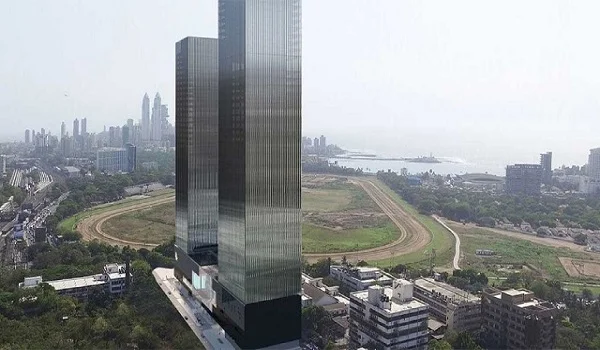
Rezwan Razack spends his days building two completely different legacies. He constructs sturdy, modern towers for new homeowners. He also maintains a safe haven for the delicate history of commerce.
Both missions require deep patience and a clear vision for the future. His published research and his public displays are wonderful gifts to society. They guarantee that we will never lose the story of the paper that built our modern world.
Frequently Asked Questions
Q: Who is Rezwan Razack?
A: He is a prominent leader in the Indian real estate market, serving as the co-chairman of the Prestige Group. He is also famous globally for creating an incredible archive of historical paper money.
Q: Where is the Rezwan Razack Museum of Indian Paper Money?
A: This unique public space is situated right inside the main corporate headquarters of the Prestige Group in Bengaluru. It warmly welcomes history fans, students, and curious tourists.
Q: What is the rarest item in the Rezwan Razack collection?
A: The archive contains many unique pieces. Some fan favorites include bills salvaged from a sunken ship in 1922 and the very first temporary currency used by Pakistan during the 1947 partition.
Q: How does Rezwan Razack's hobby connect to the Prestige Group?
A: His love for collecting highlights his intense focus on quality, precision and historical value. He brings those same exact standards of trust and careful planning to every property his company develops.