Sky-High Safety: How Prestige Golden Grove Manages Wind Loads and Vertical Transit in 52-Floor Towers

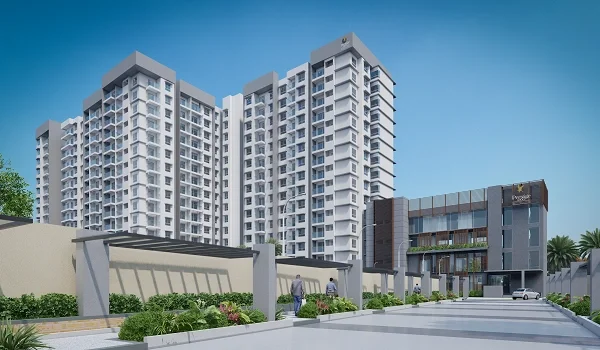
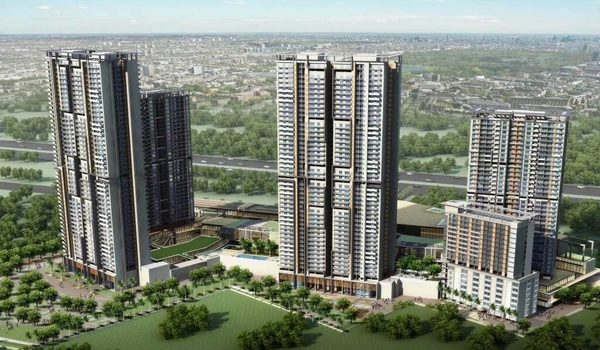
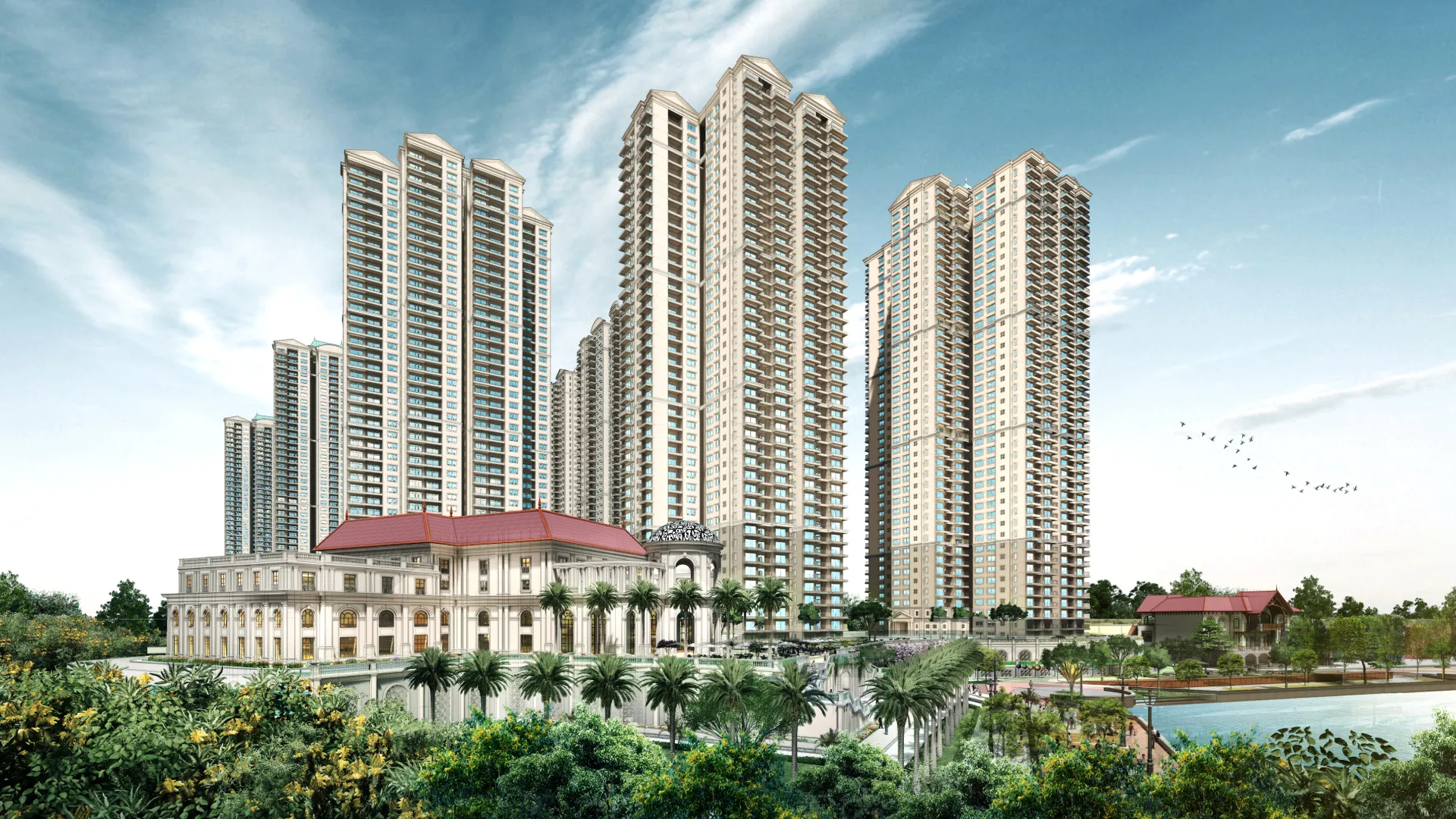
Prestige Golden Grove has 10 high-rise towers with up to 52 floors in Velimela, near Tellapur, West Hyderabad. In towers of this height, wind loads and vertical transit are two key design needs. The structure must handle stronger wind forces at higher levels. At the same time, the lift system must move residents safely and quickly across many floors. For buyers, these are not only engineering details. They affect daily comfort. Good wind design helps control tower movement and wind pressure. Good lift planning can reduce long waits and make higher floors easier to use. Both points matter when choosing an apartment in a 52-floor tower.
Managing Wind Loads in Prestige Golden Grove's 52-Floor Towers
When wind hits a tall building, it creates pressure on the tower and moves around its sides. This effect becomes more important as the building gets taller. A 52-floor tower must therefore be designed to handle both its own weight and the side forces caused by wind. The building uses a Shear Wall System made of high-grade R.C.C. (Reinforced Cement Concrete). These thick internal walls act like the "spine" of the tower, giving it the strength to resist lateral wind pressure.
In a high-rise tower, shear walls and a strong structural core help carry wind loads through the building. They also help control excess movement on the upper floors. This becomes more important in towers that rise to 52 floors.
The shape of a tower also plays a role in how wind moves around it. Strong air flow around the edges can increase wind pressure and noise. A well-planned tower form helps spread these forces instead of allowing them to act on one large surface.
Why Wind Loads Matter More on the Higher Floors
Wind speed is often higher as building height increases. There are fewer nearby trees and buildings to block the wind. This is why buyers looking at the 40th, 50th or 52nd floor may have more questions about tower movement.
A tall tower does not need to remain completely still during every strong wind. A small and controlled level of movement can occur in high-rise buildings. The main aim of the structural design is to keep this movement within safe and comfortable limits.
For Prestige Golden Grove, wind-load planning is especially relevant because its towers rise much higher than regular apartment buildings in the area. Buyers choosing the upper floors can check the tower's structural system, wind design and façade specifications before finalising a unit.
How Tower Design Helps Control Wind Pressure
A tall building faces wind from different directions throughout the year. The pressure also changes with height and weather conditions. Engineers therefore study the tower height, width, shape and local wind conditions while planning the structure.
The structural core, shear walls and tower form work together to resist side forces. The outer façade and glazing also need to suit the wind pressure expected at different heights. This is important because the pressure faced by a window on a very high floor can be different from that on a lower floor.
For buyers, the useful question is not whether a tower will face wind. Every tall tower will. The real question is how the structure is designed to manage that wind safely and keep residents comfortable.
Vertical Transit: Moving Through a 52-Floor Tower
In a 52-floor building, waiting for a slow lift can be a nightmare.
For residents on the upper floors, lifts are part of almost every trip in and out of the building. This makes vertical transit a major part of daily life at Prestige Golden Grove.
A good lift plan must match the number of floors, the number of apartments and the number of people using the tower during busy hours. A fast lift alone may not solve waiting-time problems if too many homes depend on too few elevators.
This is why buyers should look at the complete vertical transit plan. The number of passenger lifts, lift capacity, service lifts and emergency lift access all matter in a 52-floor residential tower.
How Lift Planning Can Reduce Waiting Time
Modern high-rise towers can use smart lift controls to manage passenger movement. These systems can group people travelling to similar floors and reduce unnecessary stops. This can make lift movement smoother during busy morning and evening hours.
However, lift speed is only one part of the system. The number of lifts and the number of apartments served by each lift are just as important. A tower with good lift planning can offer a better daily experience than one that depends only on a very high lift speed.
For Prestige Golden Grove buyers, it is useful to check how many lifts will serve each tower and whether there will be separate service lifts. Buyers choosing the highest floors should also check the expected travel time during peak hours.
Vertical Transit During a Power Cut or Emergency
A 52-floor tower also needs a clear plan for lift use during a power failure or emergency. Backup power and lift rescue systems are important because residents on the upper floors depend more on vertical movement.
Buyers should check which lifts are connected to backup power and whether the lift system includes an emergency rescue feature. They can also ask how residents on higher floors will be supported if normal lift service is stopped for any reason.
These practical details give buyers a better picture of high-rise living than simply knowing the maximum lift speed.
Wind Loads and Vertical Transit: What Buyers Should Check
Before choosing a high-floor apartment at Prestige Golden Grove, buyers should check both sides of the topic. For wind loads, ask about the structural system, tower design and façade specifications. For vertical transit, check the number of lifts, lift capacity, service lift and backup system.
Prestige Golden Grove has around 5,120 apartments planned across 28.7 acres, with towers rising up to 52 floors. In a project of this scale, wind management and lift planning can directly affect life on the higher floors. These details should therefore be part of a buyer's comparison before choosing a unit.