Earthquake & Wind Safety in High-Rise Towers Explained
Featured Image of Earthquake & Wind Safety in High-Rise Towers Explained


Earthquake and wind safety in high-rise towers is included in the building’s structure to protect residents from quakes and strong winds. Modern high-rise apartments, including Prestige Golden Grove, are built and tested to resist tremors and high wind speeds.

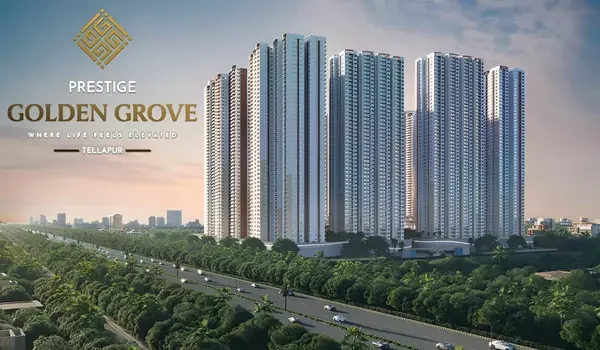
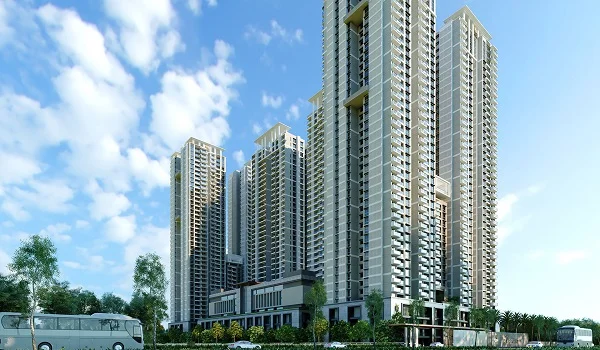
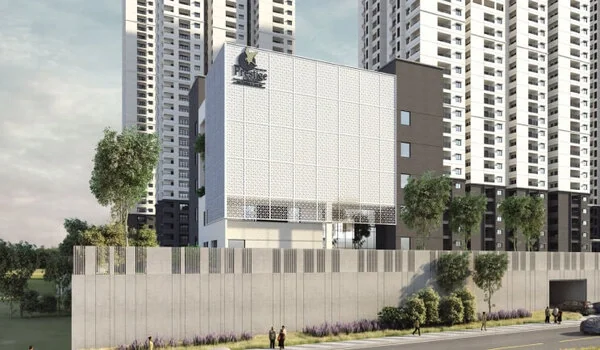
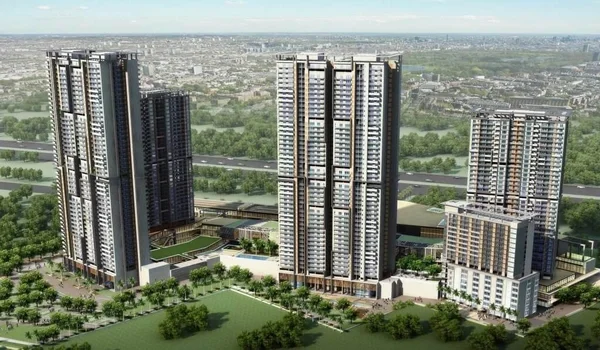
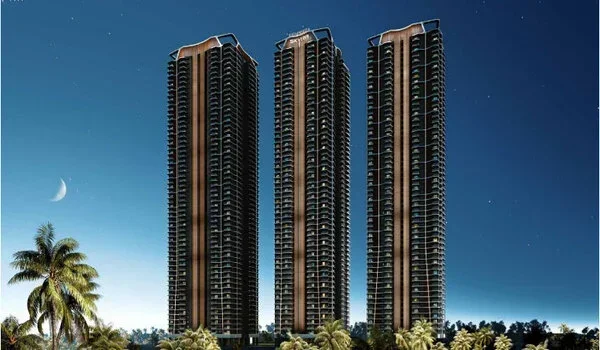
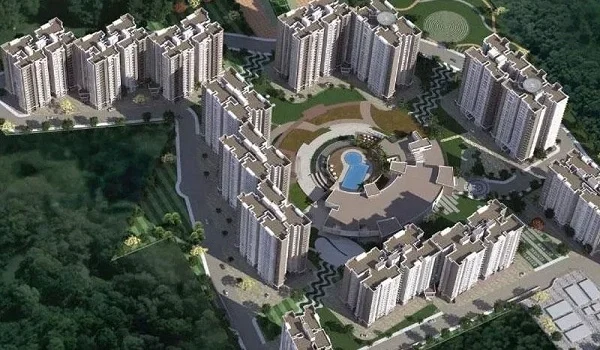
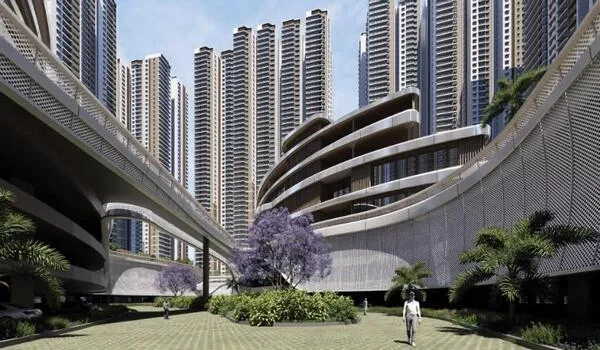
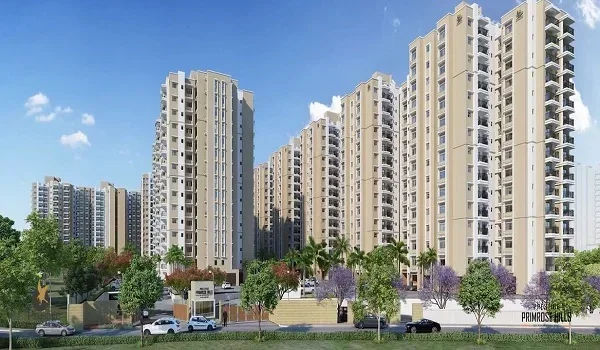
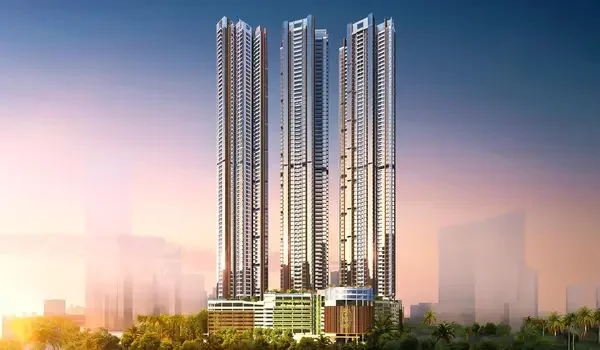
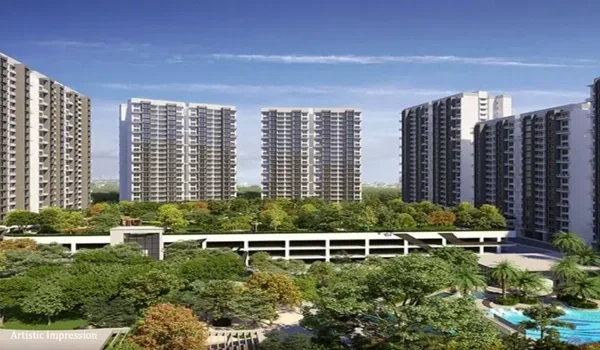
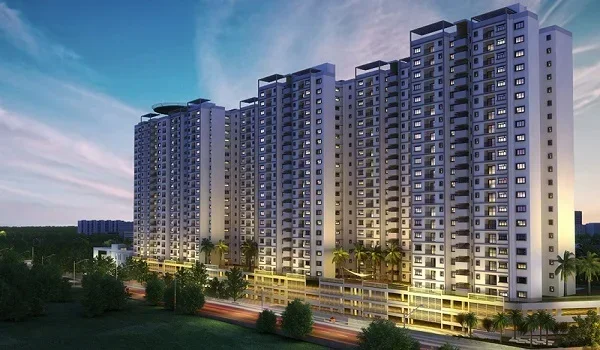
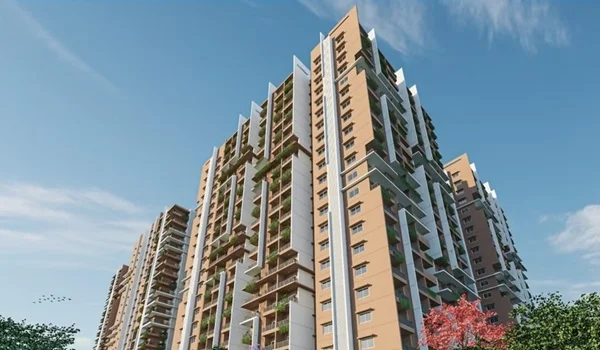
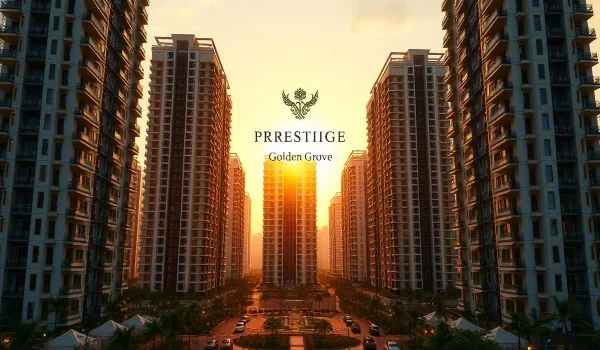
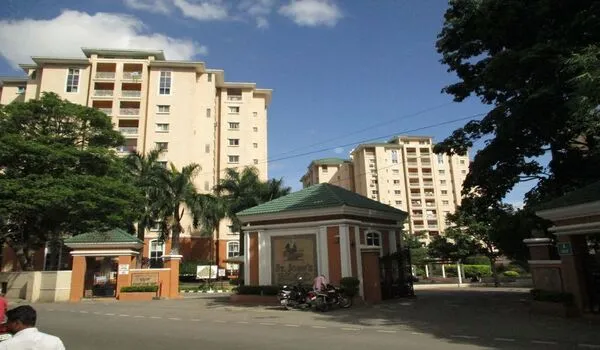
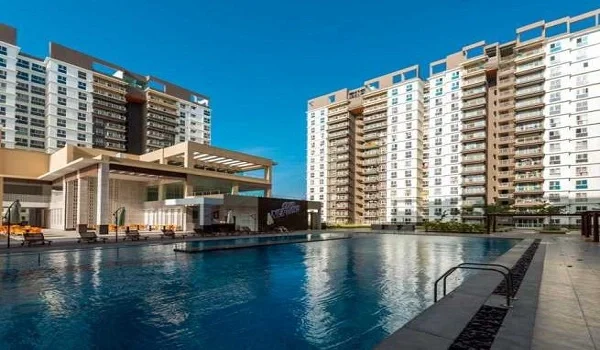
Prestige Golden Grove, a high-end housing venture features 10 high-rise towers which are developed to withstand all natural calamities. There are wind safety features and RCC frame structure. The units are customised to have low effect on the towers from the earthquake.

These designs help prevent structural damage and keep people safe inside the building. In 2026, more families will live in tall towers, so safety knowledge matters when buying a home. Builders now follow strict rules set by the Bureau of Indian Standards (BIS) for all projects.

They also use special materials and construction methods to ensure towers stay strong and stable. These measures help make high-rise living safe for long-term residency.


High-Rise Structural Physics: Vertical vs Lateral Loads


  • Vertical loads: These are the heavy downward weight of concrete, steel, and people.
  • Lateral loads: These are the horizontal pushes from strong winds and earthquake shaking.
  • As a building gets taller, these side forces grow much faster than before.
  • Wind pressure increases higher up because there are no trees or buildings to slow the air.
  • To stay safe, a building frame must be strong and flex a little.
  • This balance of strength and flexibility stops any bad permanent structural damage today.
Understanding Wind Resistance and Aerodynamics


Wind safety is just as important as earthquake safety for tall building towers. Fast air hitting a flat wall creates low-pressure zones that shake buildings daily. Engineers use smart, special shapes to help break the wind very easily today:
  • Curved and Chamfered Edges: The rounded corners help the wind move smoothly around the edges.
  • Stepped-Back Profiles: This makes the top part narrower, which reduces the area that wind pushes against and that lowers the strain on it.
  • Aerodynamic Cutouts: Open floors let wind go through the part instead of hitting the front part directly.

Official Indian Safety Standards & BIS Codes


In India, builders follow strict national safety rules to get stability certificates from city authorities:

  • IS 1893 (Part 1): Earthquake-resistant design code. It divides India into four seismic zones (II to V). Hyderabad is in Seismic Zone II, a low-risk and stable area.
  • IS 875 (Part 3): Wind safety code. Engineers study local weather and design for winds over 33 to 44 meters per second.
  • IS 16700: National code for tall concrete buildings. It limits sideways movement and prevents progressive collapse.

Advanced Fire Life Safety and Emergency Design


Safety also includes fire and evacuation planning inside the tower core:

  • Concrete Compartmentation: Fire-rated concrete zones keep smoke and flames in one area for 2 to 4 hours.
  • Pressurized Smoke-Free Enclosures: Emergency stairs use fans to push smoke out and keep air clear during evacuation.
  • Refuge Areas: The National Building Code (NBC) requires open-air platforms at regular heights for safe waiting during emergencies.

Structural Integrity at Prestige Golden Grove


Prestige Golden Grove spans 28.7 acres in Velimela near West Hyderabad's growth corridor. It is built with these high-tech engineering principles.

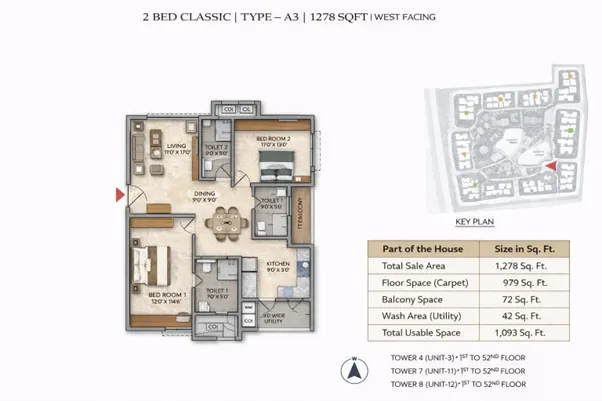
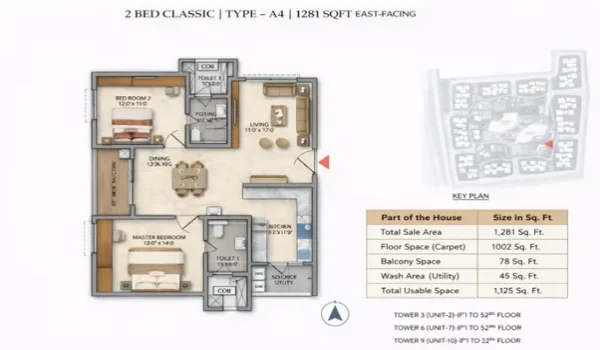
The 2, 3 and 4 BHK high-rise towers are made with Fe 550D steel and strong concrete mixes that follow all national safety rules. These towers have foundations and thick walls around lifts to keep families safe and secure on every floor, no matter the season.

The strong foundations and walls help to keep the towers stable. The use of high-quality materials and careful construction helps to keep families safe.

Common High-Rise Structural Safety Myths


Myth: A tall building that sways a bit in winds is weak or not safe.

Reality: A little movement is actually by design. If a building did not sway, all really strong winds would put a lot of pressure on it and might cause it to crack or even collapse. Engineers make sure that tall buildings can move slightly but still stay safe so that people inside do not get hurt.

They design the building to flex a little, and that helps to reduce the pressure. This way, the building and the people in it stay safe.

FAQs


1. Are high-rise residential towers safe during earthquakes?

Yes. Modern towers use earthquake-resistant engineering with ductile steel grids and central shear walls to absorb shaking safely.

2. Why do tall buildings move slightly during strong winds?

They are designed to sway a tiny bit. This flexibility acts like a shock absorber and releases wind pressure safely.

3. What are shear walls in an apartment tower?

These are thick reinforced concrete walls around the center (usually near lifts and stairs). They act like a spine to stop tilting or big sways.

4. How deep do the foundations of a tall building go?

Depending on height, engineers drill concrete pillars 20 to 60 meters deep into solid rock to keep the building balanced.

5. How do engineers know a building can handle strong winds before building it?

They build a mini-model and test it in a wind tunnel. This shows how air moves around the building so they can adjust the design for safety.

6. What seismic zone does Hyderabad fall under?

Hyderabad is in Seismic Zone II, a low-damage risk zone by BIS. It is one of the most stable areas for high-rise living in India.

Prestige Golden Grove Blog


Enquiry
Enquire Now