How Rainwater Harvesting & STP Work in Large Townships
Featured Image of How Rainwater Harvesting And Stp Work In Large Townships


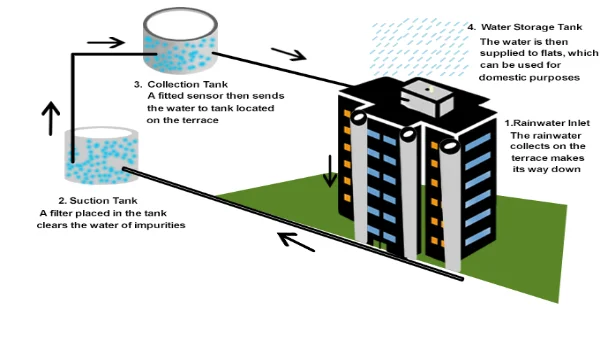
Large townships, including Prestige Golden Grove in Hyderabad, manage water using rainwater harvesting and sewage treatment plants. Rainwater harvesting collects monsoon rain from roofs and open areas for later use. The rainwater passes through gravel and sand filters and is then sent into deep injection wells.

This refills dry underground water sources or fills up large storage sumps. A Sewage Treatment Plant recycles 100% of wastewater for the whole community. It cleans this water through three stages to remove the bad waste.

First, primary screening clears out all the large, solid items from the water. Next, secondary biological tanks break down organic waste using tiny living microbes. Then, tertiary ultra-filtration removes all bacteria to make the water very clean.

This creates clear, odourless water and saves 40% on fresh water costs. Pipes send recycled water back through dual plumbing lines for the homes. This water is used for all community gardening and toilet flushing needs.


Rainwater Harvesting (RWH) in the townships of Hyderabad


Rainwater harvesting collects rain that falls on rooftops, roads, and open grounds. It directs this water into storage tanks or deep underground recharge pits.

How It Works by the Numbers

  • Collection Area: A standard 1-acre township roof collects 1 million liters during monsoons.

  • Filtration: The system uses a 3-layer filter with gravel, sand, and charcoal.
  • Recharge: Cleaned water flows into wells to refill the groundwater table levels.

Why It Matters

  • Reduces Costs: Using stored rainwater reduces freshwater dependency by 20–30% today.
  • Prevents Flooding: Capturing runoff immediately prevents flooding on all the internal township roads.
  • Sustainability: It ensures precious rain does not wash away into the storm drains.

Sewage Treatment Plants (STP)


An STP is a sophisticated industrial system that cleans the daily wastewater. It treats water from bathrooms, kitchens, and all the home laundry areas.

The Treatment Process

  • Primary Treatment: The plant filters out large debris, plastic, and solid waste.
  • Biological Treatment: Good bacteria eat waste and clean 90–95% of total impurities.
  • Disinfection: UV light or chlorine kills germs to make the water safe.

The "Circular Water" Economy

Large townships like those in Velimela recycle 70–80% of their total wastewater.

  • Landscaping: Recycled water irrigates parks, gardens, and the joggers' tracks daily.
  • Flushing: The water goes to toilet cisterns in every apartment unit now.
  • Cleaning: Staff use it to wash common areas and the parking driveways.

Comparison: RWH vs. STP


Why Large Townships in Hyderabad Need These Systems

Hyderabad’s rapid growth makes water management a very high priority for builders. Areas like Gachibowli, Kokapet, Tellapur, and Velimela are expanding quite quickly today.

  • Environmental Protection: STPs stop waste from polluting our nearby lakes and ecosystems.
  • Economic Sense: Large projects save 5–10 lakhs monthly on municipal water costs.
  • Government Compliance: Telangana makes these systems mandatory for all large-scale residential projects.

Prestige Golden Grove: A Model of Sustainability


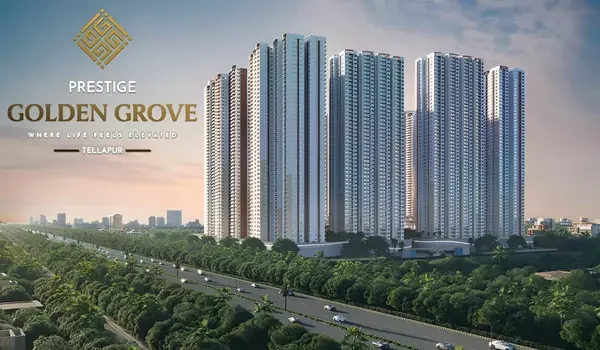
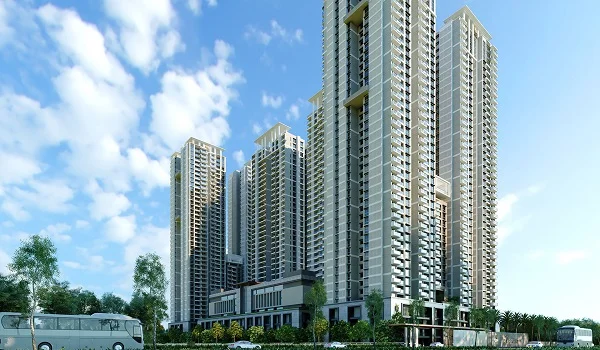
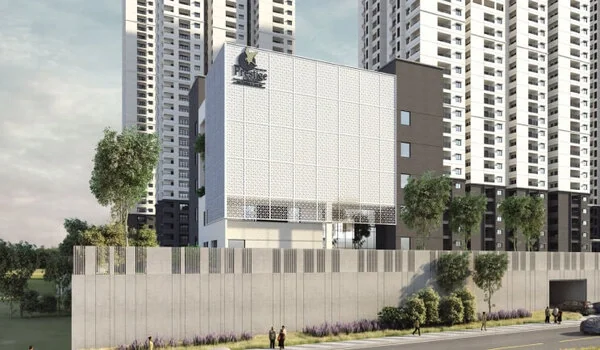
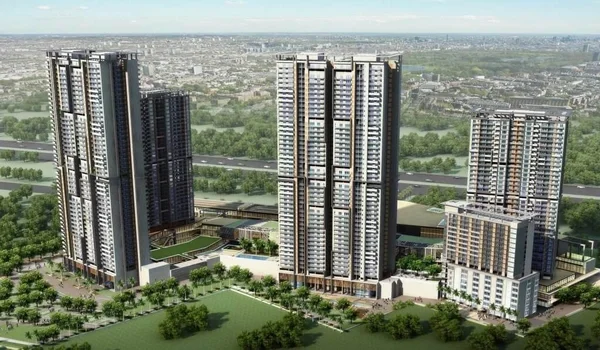
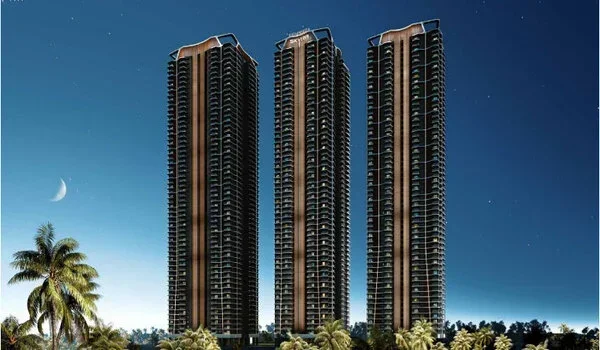
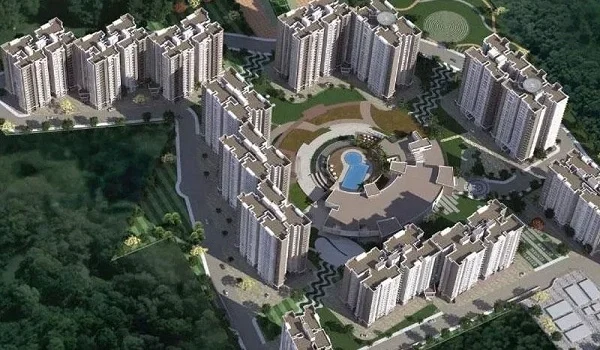
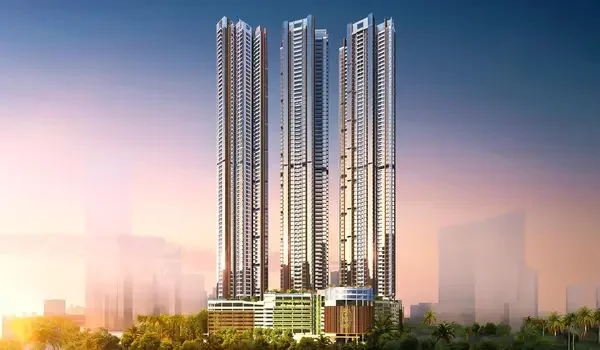
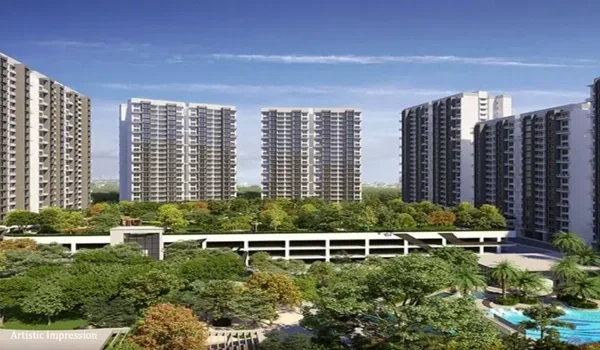
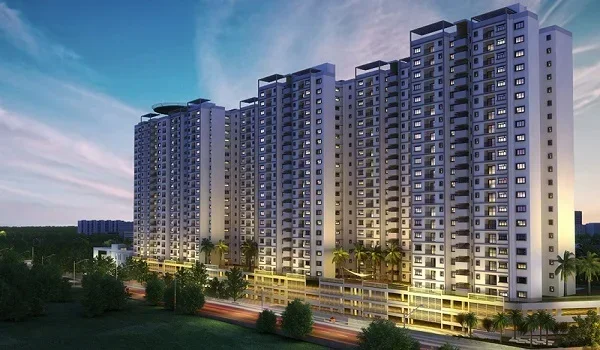
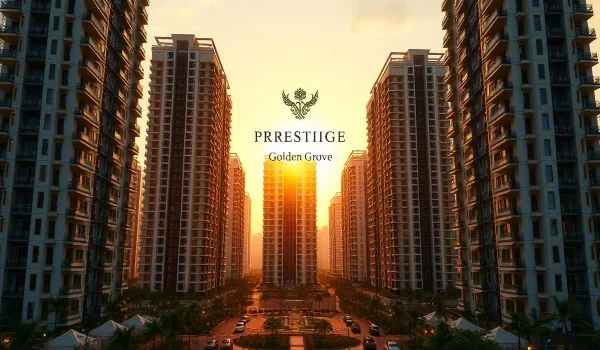
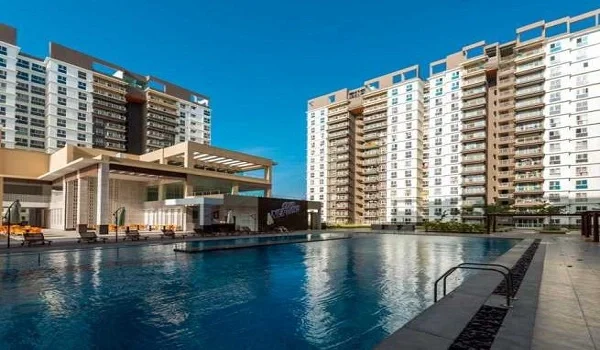
Prestige Golden Grove in Velimela integrates these systems from the design phase. It covers 28.7 acres and focuses on responsible water usage every day.

  • Integrated Infrastructure: The project builds systems directly into the original architectural blueprints.
  • Smart Monitoring: Townships use automated sensors to monitor water quality levels daily.
  • Green Living: Recycled water feeds the 11-acre park and all the landscapes.

FAQs


1. How much water does a typical township save using these systems?

A large township saves millions of liters of fresh water every year.

2. Is the water from an STP safe for humans?

No, it is strictly for non-potable use like flushing and gardening.

3. Do RWH systems require regular maintenance?

Yes, the filter media needs cleaning every six months before monsoons start.

4. Why is Prestige Golden Grove considering a "future-ready" township?

It integrates water-saving technology into the master plan for self-sufficient living.

5. How do these systems affect apartment maintenance fees?

They reduce the need for expensive water tankers, lowering long-term costs.

Prestige Golden Grove Blog


Enquiry
Enquire Now