How to Read a RERA Carpet Area Statement Correctly

Featured Image of How To Read A Rera Carpet Area Statement Correctly


A RERA carpet area statement is your best shield against bad builder marketing. Real estate was sold on vague areas, including lobbies, stairs, and generator rooms. These left buyers surprised by how small their actual home felt later.

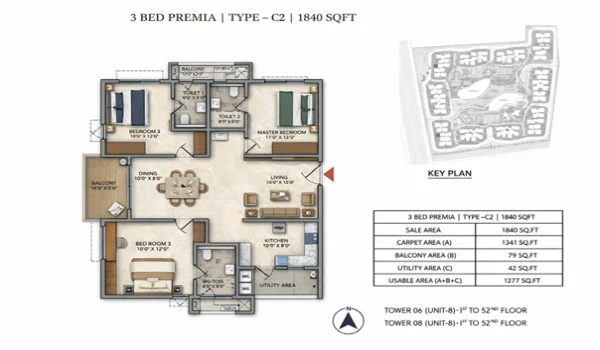
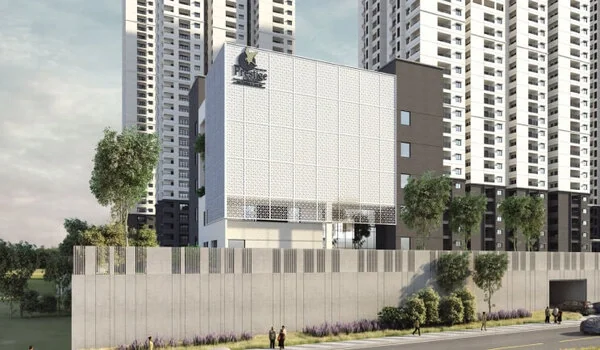
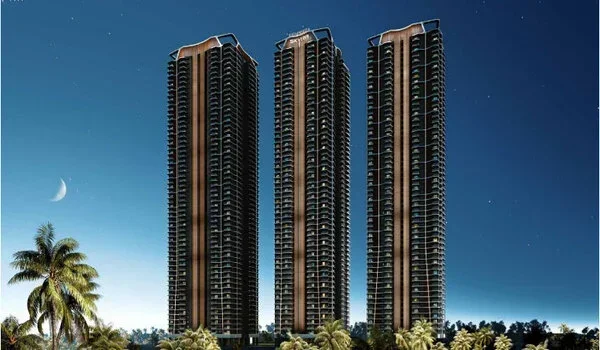
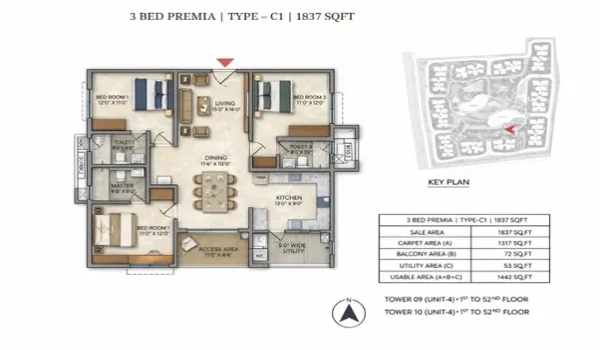
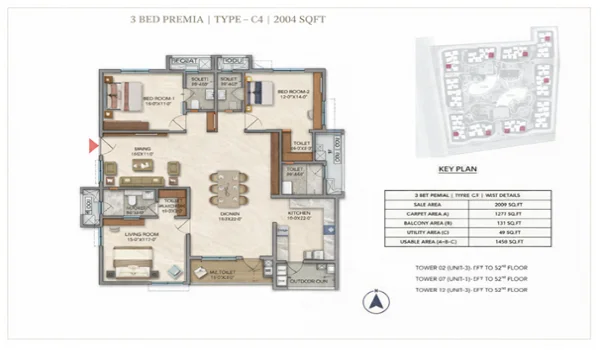
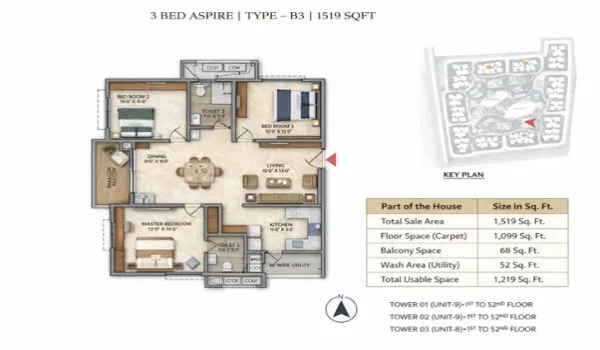
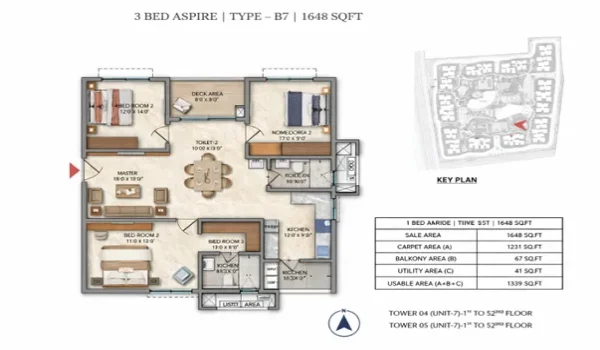
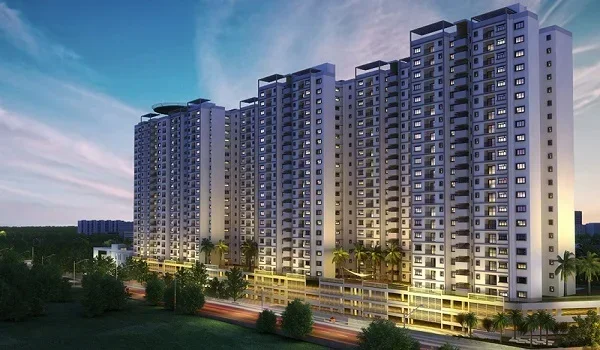
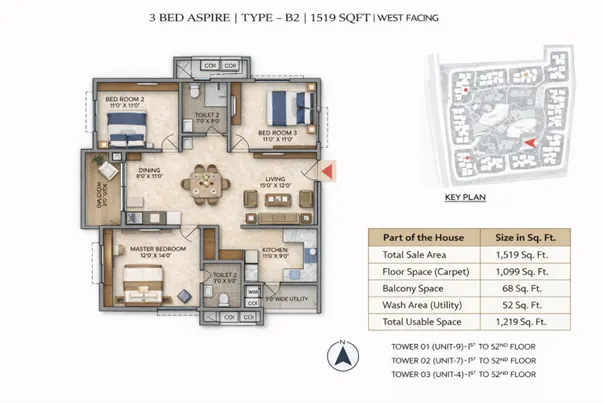
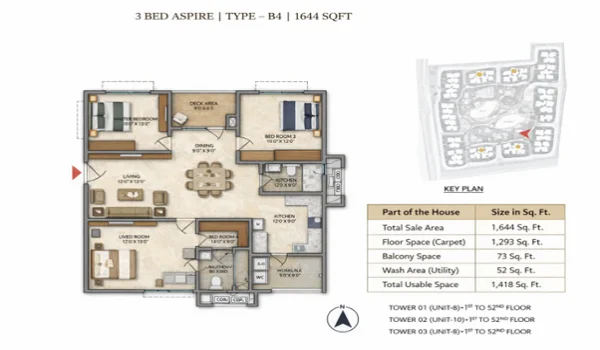
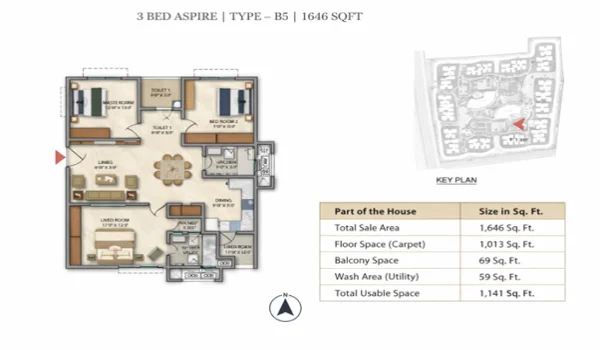
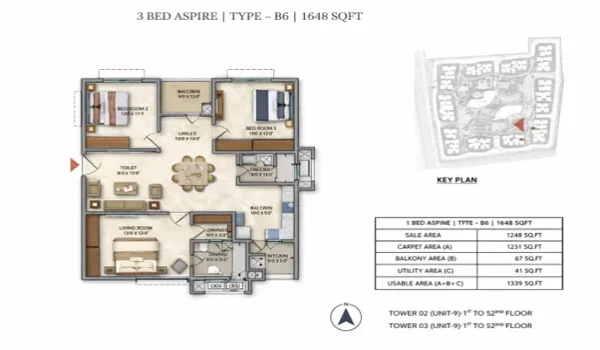
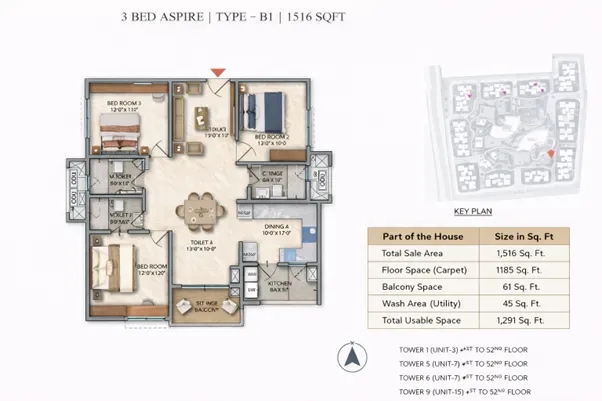
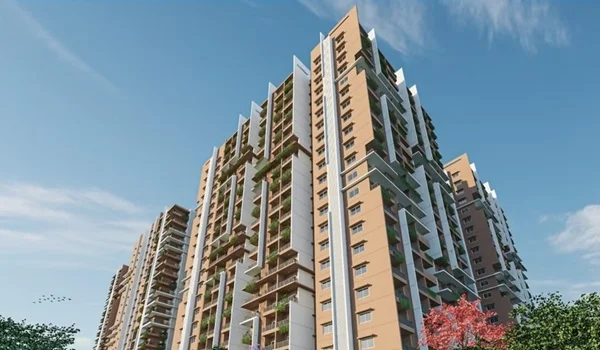
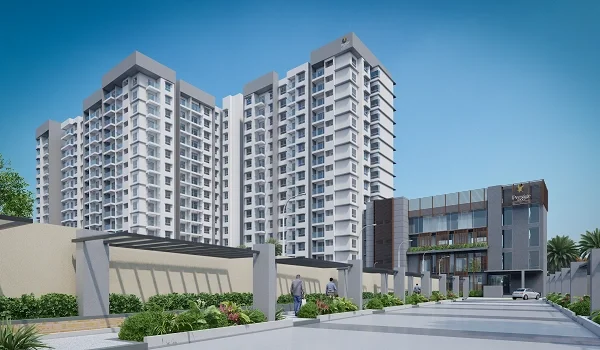
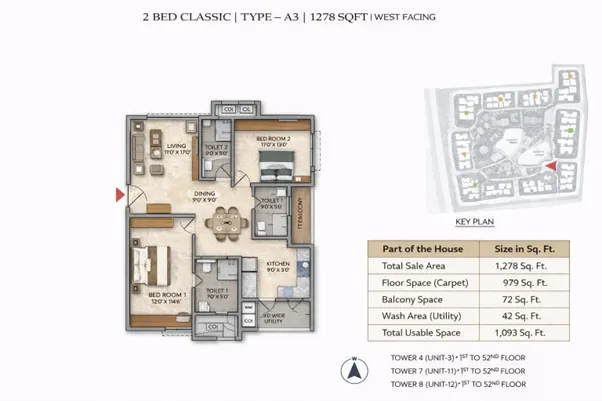
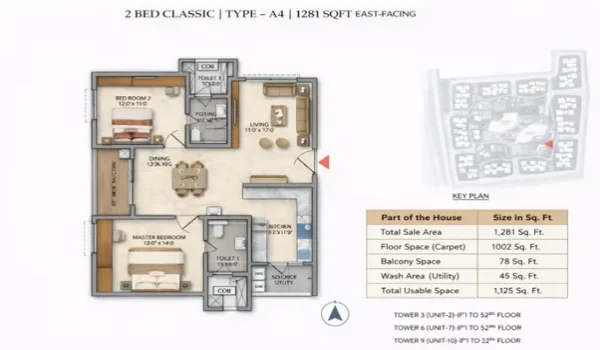
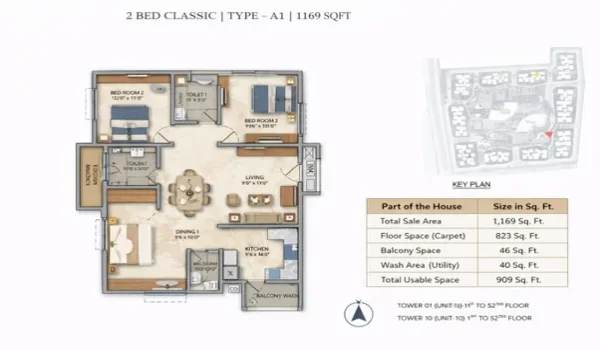
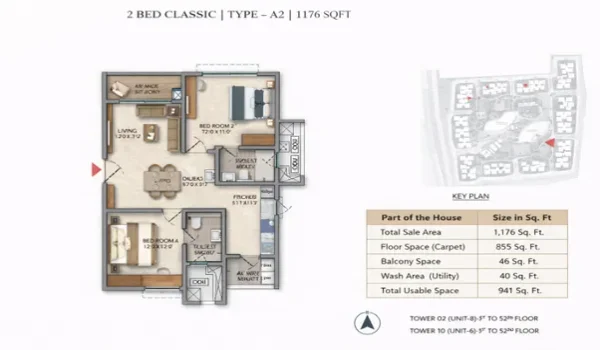
Consider the Prestige Golden Grove project in Velimela, West Hyderabad, as an example. This township spans 28.7 acres across 10 towers with 5,120 total units. Its sizes range from 1,169 to 3,013 sq. ft. across many home types.

Reviewing its official Telangana RERA documents (RERA No: P01100010708) is the only way. It helps a buyer isolate the true usable space inside those apartments.


What exactly is RERA Carpet Area?


By law, the RERA carpet area is the net usable floor area today. Think of it as the internal zone where you lay a carpet.

{RERA Carpet Area} = {Net Usable Floor Area} + {Thickness of Internal Partition Walls}

  • Inclusions: Bedrooms, living room, dining room, kitchen, bathrooms, and partition walls.
  • Exclusions: External perimeter walls, utility shafts, balconies, verandahs, and open private terraces.
Deciphering the Three Area Types


Read the RERA allotment statement in this order to check if everything is okay:

Area Type What is Counted? Why It Matters
RERA Carpet Area Inner usable rooms + inner partition walls. The Legal Gold Standard. This is the exact metric you are legally paying for.
Built-Up Area Carpet area + external walls + attached balconies. Typically 10% to 15% larger than the carpet area.
Super Built-Up Area Built-up area + proportionate share of common lobbies, stairs, lifts, and clubhouses. The Marketing Number. Often inflated by 20% to 40% over the actual carpet space.
  • Find the RERA Grid: Don't look at the sales brochure; instead, go to your state's RERA website. Search for your unit, tower number and home layout. The RERA Grid helps you get the facts straight.
  • Identify the Carpet Area: Look for the "Net Usable Carpet Area" number. This is the size of your apartment. The Carpet Area is what you actually live in.
  • Check Spaces: Make sure balconies, verandahs or open terraces are listed separately, and if they are included in the carpet, the builder is not following RERA rules. You should see these spaces listed separately.

Calculate Loading Factor: Use a formula to find the space area and see if it's fair:

Loading Factor = (Super Built-Up Area. RERA Carpet Area) / RERA Carpet Area

The Loading Factor shows you how much extra space you're paying for.

The Loading Factor & Apartment Efficiency


The loading factor is extra space for common areas, and use this formula to check if you're paying much:

  • Premium projects usually have a loading factor of 25% to 30%. If it's over 40%, you might be paying much for common areas.
  • Critical RERA Safeguards to Remember: RERA laws protect homebuyers throughout the buying process.
  • Mandatory Price Linking: Developers must base property prices on the actual carpet area.

The RERA rules ensure you get a deal based on your apartment's size.

  • The 3% Variance Rule: If the delivered area is smaller, the builder pays a refund. If the area grows by 3%, you pay the price difference now.
  • Zero Plan Alterations: Developers cannot change the floor layout without consent from many home buyers.

Prestige Golden Grove Blog


Enquiry
Enquire Now