First-Time Homebuyer's Complete Guide

Featured Image of First-Time Homebuyer's Complete Guide


A first-time homebuyer's complete guide is a step-by-step instruction manual that includes everything from assessing your true financial readiness and securing bank loans to checking building quality, verifying legal papers, and picking the right neighborhood for your family. Buying your first home is a giant milestone, but the housing market can feel very confusing. Tracking bank loans, checking building quality, and handling legal papers can create a lot of stress. You need a clear plan to avoid costly errors.

By learning to balance your personal budget, pick a great location, and trust the right builder, you can turn a hard property search into a top investment for your family.


Smart Budgeting: Costs Beyond the Home Price


The biggest mistake new buyers make is looking only at the basic price of the flat. When you buy your first home, you must prepare for extra upfront costs that banks will not cover in a standard home loan.

  • The Cash Down Payment: Most banks lend up to 80% of the flat value. This means you must have at least 20% ready in cash from your own savings.
  • Government Fees: Always add in government stamp duty, local registration fees, and GST for building projects. These extra costs can add 7% to 10% to your final bill.
  • The Maintenance Fund: Builders usually collect a one-time advance upkeep fee for the first year or two when they hand over the keys. Keep this money separate from your core budget.

Easy Steps to Find Your Perfect Property


To get the most value out of the modern housing market, follow this simple as well as clear timeline.

1. Get a Bank Loan Pre-Approval First

Before you visit any sales office, show your monthly pay proof and credit scores to your bank. Getting a formal bank pre-approval lets you know your exact buying power. This stops you from falling in love with a home you cannot afford.

2. Check the Neighborhood Benefits

Look for areas that offer a good balance between daily ease and future price growth. A great area should sit within a 30-minute drive to major work offices. It must also link directly to new metro train lines, good schools, and major hospitals.

3. Verify the Official RERA Number

Never invest the hard-earned cash in a project that lacks a valid RERA registration number. Official RERA rules protect new buyers from unfair project delays, poor building quality, as well as sudden changes in floor plans.

Pros and Cons of Ready vs Under-Construction Flats


New buyers often struggle to choose between a finished flat and a project that is still being built. Both choices come with unique tradeoffs.

Ready-to-Move Homes

  • Pros: You can check the final views and building quality right away. There is no risk of construction delays, and you move in fast to save on rent.

  • Cons: The entry costs are much higher since you must pay the full price upfront. You also miss out on lower early-stage launch rates.

Under-Construction Homes

  • Pros: These properties offer flexible payment plans that give your wallet room to breathe. They also provide excellent value growth as the building moves upward. For example, booking early in massive premium projects—like Prestige Golden Grove in Hyderabad’s fast-growing Tellapur tech area—lets you lock in very low pre-launch prices.
  • Cons: You must cope with the risk of building delays. You also have to handle the double burden of paying your current house rent while paying off your monthly bank EMIs.

Long-Term Investment View for New Buyers


From a wealth-building view, treat your first home as a long-term anchor for your net worth. Real estate values change over short periods, but high-quality homes always beat inflation over the 5 to 10 years.

Focus heavily on the brand value and financial strength of the builder you choose. Trusted builders maintain great construction standards and deliver premium lifestyle features. This gives your home keeps a high resale value and brings in top rent in the future market.

FAQs


1. What credit score do I need to get a low bank loan rate?

Most major banks offer their lowest and best home loan interest rates to buyers who keep a credit score of 750 or above.

2. Can I use my Provident Fund (EPF) cash to buy a home?

Yes. Government rules allow first-time buyers to take out up to 90% of their saved EPF money for down payments or to pay off an active home loan.

3. What is difference between carpet area and built-up area?

Carpet area is the actual net floor space inside the walls of your flat where you can lay a physical carpet. Built-up area includes your private rooms plus shared spaces like lobbies and lifts.

4. What are the typical flat sizes available at major projects?

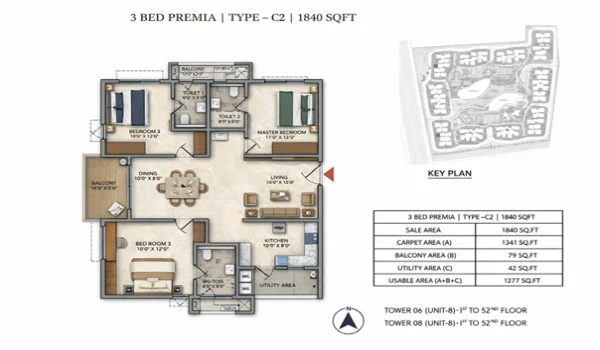
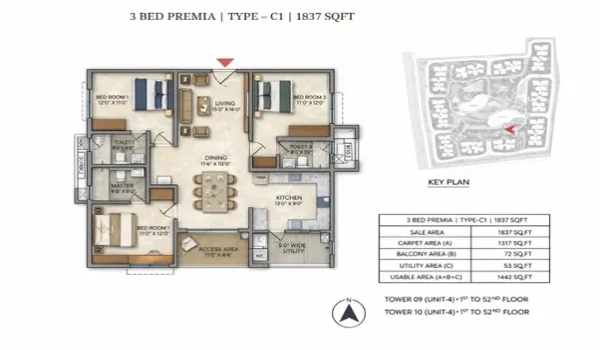
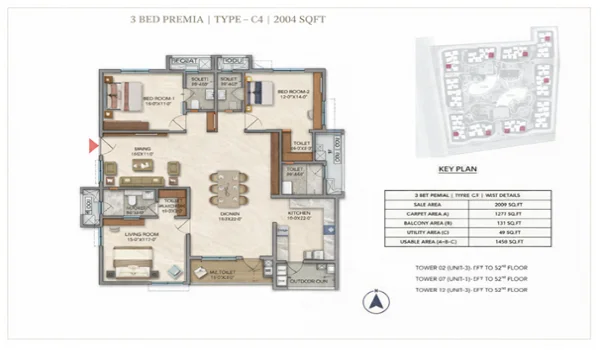
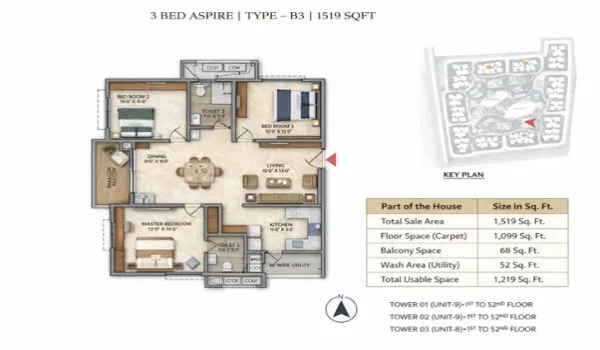
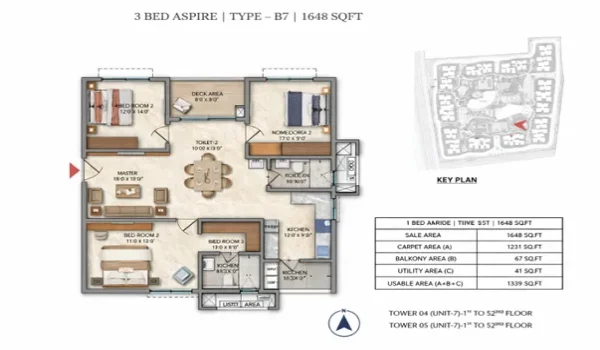
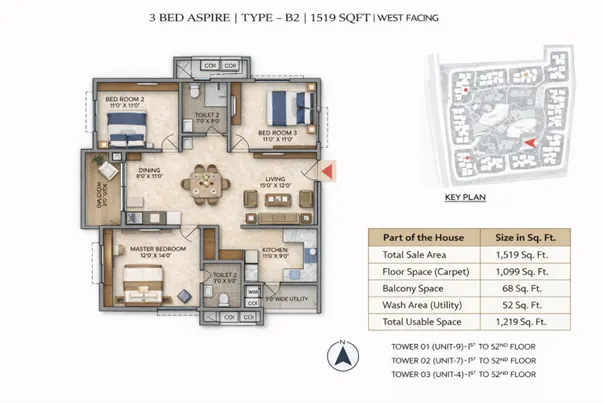
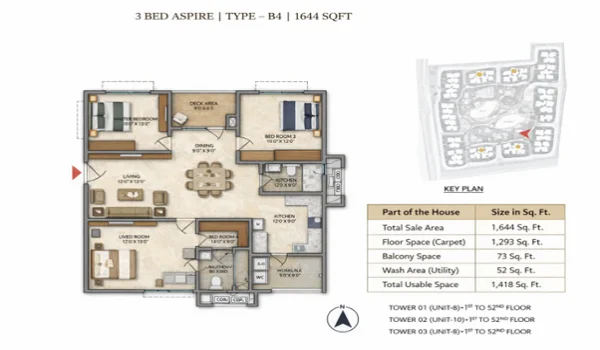
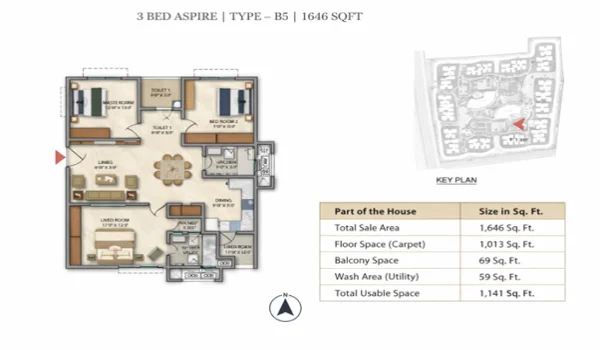
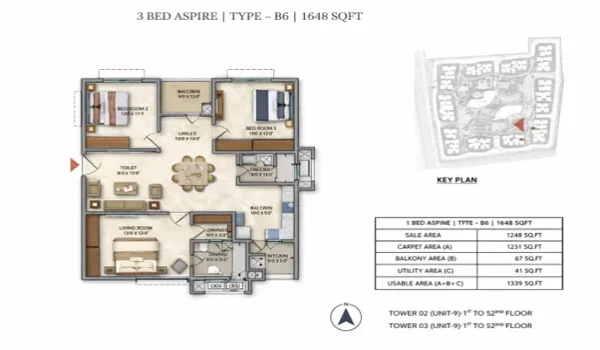
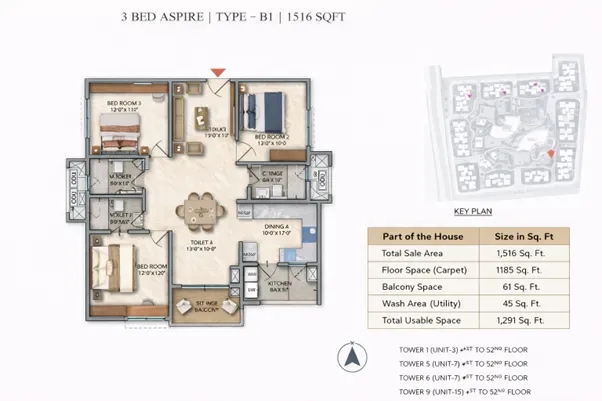
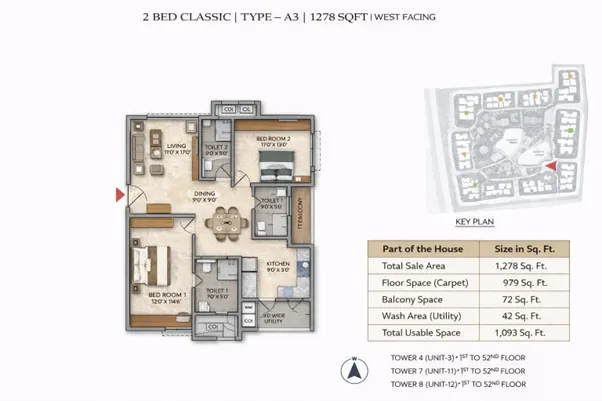
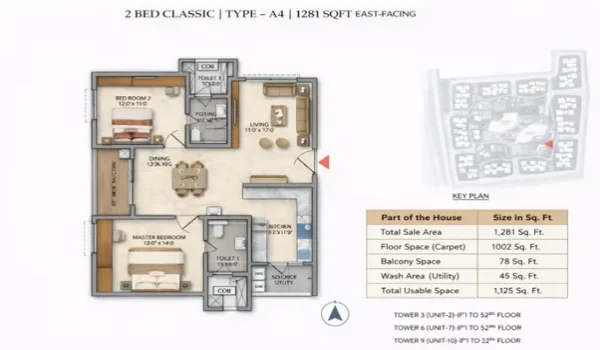
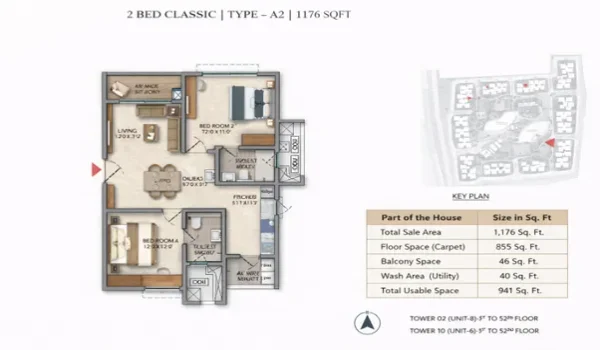
Modern gated communities offer practical layouts to suit different family sizes. For instance, major high-rise projects like Prestige Golden Grove feature 2 BHK flats (1,169 to 1,281 sq. ft.), 3 BHK homes (1,516 to 2,462 sq. ft.), and large 4 BHK units (2,723 to 3,013 sq. ft.).

5. Is it mandatory to buy property insurance for a new home?

While it is not compulsory by law, most banks will make you to buy home insurance before they give out your loan cash. This protects the asset from natural disasters.

Prestige Golden Grove Blog


Enquiry
Enquire Now