NRI Repatriation Rules When Selling Indian Property

Featured Image of NRI Repatriation Rules When Selling Indian Property


When an NRI sells a property in India, the sale money must first be deposited into an NRO account. The NRI must pay all required taxes before sending the money abroad. The transfer follows the rules of the RBI and FEMA. If all the rules are followed and the required documents are submitted, the money can be transferred to an overseas bank account.

The process is governed by the Reserve Bank of India (RBI) and the Income Tax Department, with specific rules regarding taxes, documentation, and transfer limits. Before moving the money, you must submit tax clearance forms called Form 15CA and Form 15CB to your bank.


What Is Repatriation?


Repatriation is the process of transferring money earned in India, such as the proceeds from selling a property, to your bank account outside India.

NRIs can repatriate the sale proceeds of eligible properties after complying with RBI regulations and paying all applicable taxes.

Understanding NRI Property Repatriation Limits Under FEMA


FEMA rules split your cash transfer options based on how you first bought or paid for the Indian real estate.

The USD 1 Million Annual Remittance Window

NRIs and OCIs can send up to USD 1 million from their NRO account to a bank account outside India in one financial year (April to March). This includes money from selling a property, inherited property, and other eligible funds.

How Prestige Golden Grove Is a Good Investment for NRIs


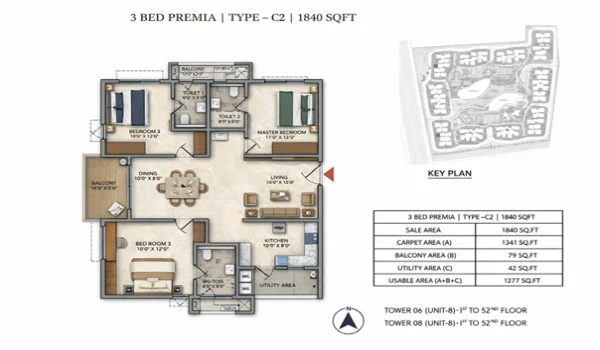
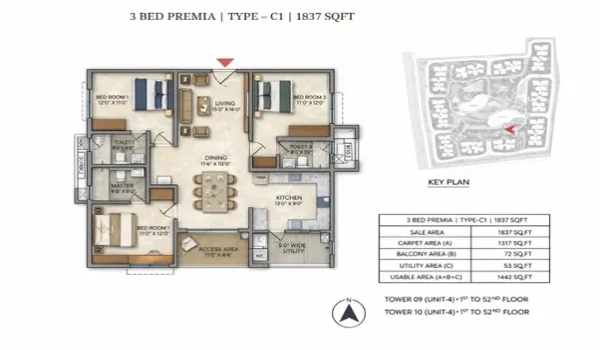
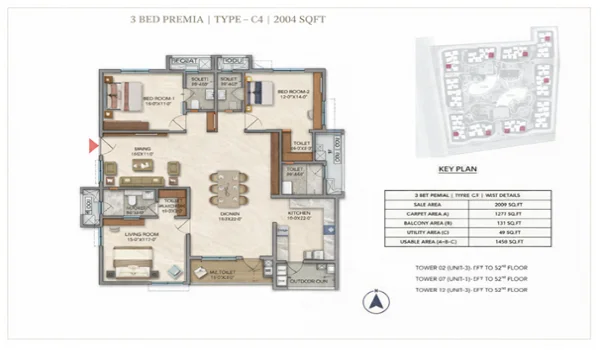
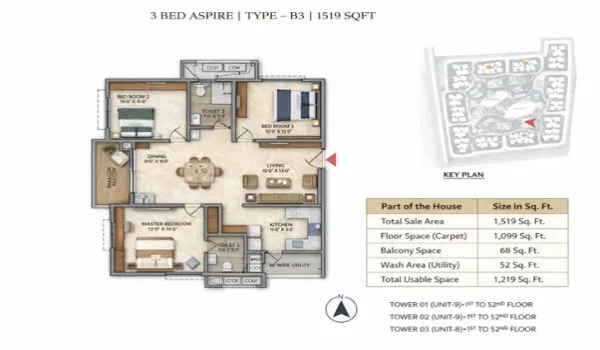
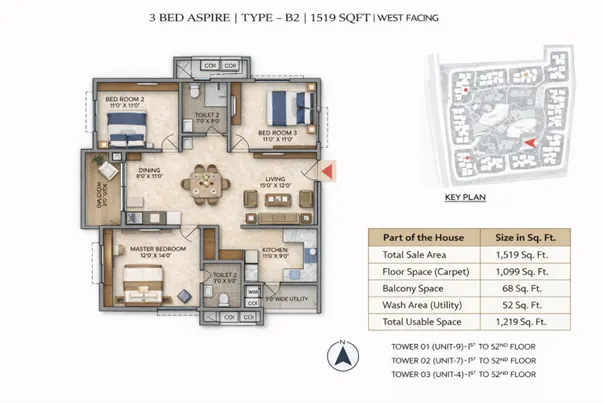
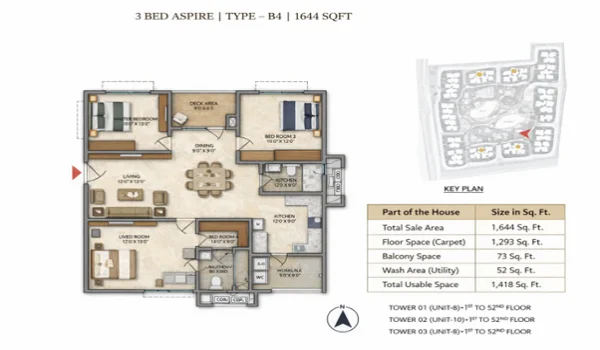
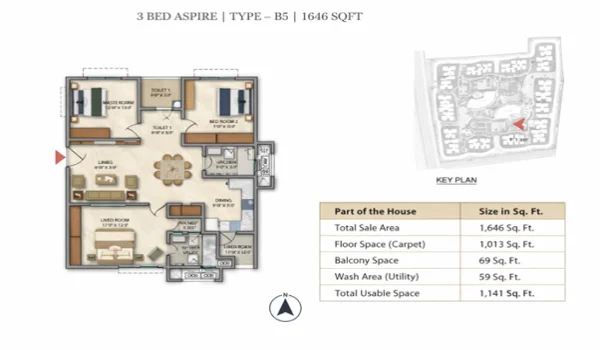
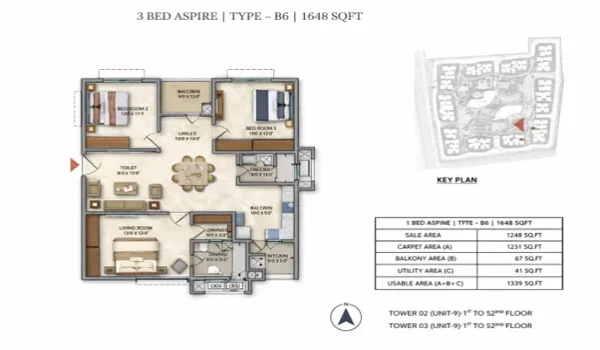
Many NRIs choose to invest in Hyderabad because the city is growing quickly. Prestige Golden Grove is an apartment project in the developing TellapurVelimela area. With better roads, growing IT companies, and modern infrastructure, the project has good potential for future price growth.

NRI sells an apartment in Prestige Golden Grove, and they can send the sale money outside India. They must first pay the taxes, follow RBI rules, and submit the documents. The money is usually transferred through an NRO account.

Income Tax Rates on NRI Real Estate Sales


The Indian Income Tax Department sets your tax rate based on how long you owned the property title before selling it.

Property Holding Time Tax Type Base Tax Rate (As of 2026) Indexation Benefit
24 Months or Less Short-Term Capital Gains (STCG Normal Income Slab Rates None
More than 24 Months Long-Term Capital Gains (LTCG) 12.5% None

Short-Term Capital Gains (STCG)


Selling a property within 24 months of buying it counts as a short-term gain. This profit is added directly to your total Indian income. It is taxed at normal progressive slab rates, which can go up past 30% plus extra health and education fees.

Why Buyers Withhold on Gross Sale Value


Indian law forces resident buyers to deduct TDS when buying from an NRI. Buyers cannot verify your actual historical costs or true profit margins. Because of this, they usually deduct the full tax rate (12.5% or 20%+) on the entire sale price, not just the profit. This traps a lot of your cash with the tax department until you file a year-end return to ask for a refund.

The Section 197 Lower Withholding Solution


You can stop your cash from getting trapped for months. Apply for a Lower Withholding Certificate under Section 197 before signing the final sale deed.

Submit Form 13 and your buying documents to the tax office. An officer will check your actual profit math. They will give you an official letter allowing the buyer to deduct a much lower TDS rate based only on your true profit.

Legally Eliminating Tax: Sections 54, 54F, and 54EC.


The Indian tax code offers clear exemptions to help NRIs legally lower or completely clear their tax bills.

Section 54: Residential Reinvestment

If your long-term profit comes from selling a home, you can avoid tax by buying another home in India. You must buy the new home 1 year before or 2 years after the sale date. You can also build a new home within 3 years. The law caps this specific tax exemption at ₹10 Crores.

Section 54F: Non-Residential Real Estate Sales

Section 54F applies if you sell a shop, office, or plot of land. To save tax, you must use the full sale amount to buy a new house in India. If you invest only part of the money, you will get less tax benefit. The maximum tax benefit is available up to ₹10 crore.

Section 54EC: Capital Gains Bonds

Don't want to buy more Indian real estate? Section 54EC lets you protect up to 50 Lakhs of profit per year by investing in infrastructure bonds. Groups like the NHAI or REC issue these. You must buy these bonds within 6 months of your property sale, and your money is locked in for 5 years.

Step-by-Step Remittance Compliance Checklist


1. Keep Your Indian PAN Card Active: Make sure your PAN card is active and your bank records show that you are an NRI.

2. Use an Active NRO Bank Account: Banking Setup.

The property buyer must pay all the sale money directly into your Indian NRO bank account.

3. Get Form 16A From the Buyer: TDS Verification.

Once the buyer pays your TDS to the government, make sure they give you an official Form 16A certificate.

4. Get a Form 15CB CA Certificate: Tax Audit Clearance.

Hire a licensed Indian Chartered Accountant (CA) to check your paperwork. They will sign Form 15CB to prove that your taxes are fully paid.
5. Fill Out Form 15CA Online: Digital Portal Submission.

Log in to the Indian tax website and upload your Form 15CB data to fill out Form 15CA. Save the receipt.

6. Give All Forms to Your Bank: Final Outbound Remittance.

Take Form 15CA, Form 15CB, the sale deed, and Form 16A to your bank to start your international wire transfer.

FAQs


1. Can an NRI send home all the cash from a property inherited from parents?

Yes, you can send home up to USD 1 million per financial year through your NRO account.

2. What happens if my buyer refuses to get a TAN for my TDS?

A resident buyer must get a Tax Deduction Account Number (TAN) to process NRI taxes legally. If they refuse, they cannot log your TDS or give you a Form 16A certificate. Try to work with buyers who understand standard NRI sales compliance.

3. Can I put my Indian house sale proceeds straight into an NRE account?

You can only put money straight into an NRE account up to the exact amount of foreign cash you originally sent to India to buy that home. Any extra profit must go into an NRO account first before you transfer it abroad.

4. How long does it take to get a Section 197 lower tax certificate?

It usually takes about 30 to 45 days for the tax office to process your Form 13 application. Apply for this certificate as soon as you sign your initial sale contract, so it is ready before final registration.

5. If I invest in a home at Prestige Golden Grove, can I use my tax exemption right away?

Yes. Under Section 54, you can save on taxes by putting your long-term profits into a registered home project in India. For new builds, the law gives you a clean 3-year window from your sale date to complete construction.

Prestige Golden Grove Blog


Enquiry
Enquire Now