How to Calculate ROI on an Under-Construction Apartment?

Featured Image of How to Calculate ROI on an Under-Construction Apartment?


ROI, or Return on Investment, helps buyers see how much profit they can earn from a property. To calculate ROI on an under-construction apartment, subtract the total investment cost from the expected future value of the apartment.

Then divide the result by the total investment cost and multiply by 100. This calculation helps buyers measure the profit percent on their investment. In 2026, ROI remains one of the key factors when choosing an under-construction apartment.

What is ROI?


ROI stands for Return on Investment. It is a simple way used to measure the profit from an investment. In real estate, ROI shows how much money a buyer can gain compared to the amount invested.

A higher ROI usually means a better investment. Buyers often compare the ROI of different projects before making a final choice.

Why is ROI Important?


ROI helps buyers see the money perks of a property. It gives a clear view of future profits. Investors use ROI to compare different projects and spots.

A good ROI can help buyers make smarter choices. It also helps them avoid homes that may not do well later.

What is an Under-Construction Apartment?


An under-construction apartment is a home that is still being built. Buyers can buy these apartments before construction ends.

These projects often have lower prices in the early stages. Property values may rise as construction moves. This gives a chance for better returns.

Formula to Calculate ROI


The basic ROI formula is:

ROI = [(Future Value − Total Investment) ÷ Total Investment] × 100

This formula helps buyers calculate the expected profit percent from a property investment.

Step 1: Calculate the Total Investment

The first step is to find the total amount spent on the apartment. This includes:

  • Apartment purchase price
  • GST charges
  • Registration charges
  • Stamp duty
  • Legal fees
  • Maintenance deposits
  • Loan processing fees

For example, if an apartment costs ₹80 Lakhs and extra costs are ₹5 Lakhs, the total investment becomes ₹85 Lakhs.

Step 2: Estimate the Future Property Value

The next step is to guess the property's value after possession. This depends on spot growth, infrastructure work, and market demand.

Suppose the apartment bought for ₹85 Lakhs is expected to be worth ₹1.10 Crores after the end. The future value becomes ₹1.10 Crores.

Step 3: Calculate the Profit

Profit is the difference between the future value and the total investment.

Future Value = ₹1.10 Crores

Total Investment = ₹85 Lakhs

Profit = ₹25 Lakhs

This amount shows the expected gain from the investment.

Step 4: Calculate ROI Percentage

Using the ROI formula:

Profit = ₹25 Lakhs

Total Investment = ₹85 Lakhs

ROI = (25 ÷ 85) × 100

ROI = 29.41%

This means the investment may give an estimated return of about 29%.

How Rental Income Affects ROI


Rental income can really increase the return on investment. Many people buy apartments because they think the value of the apartment will go up, and they will also get money from renting it out.
If the apartment makes ₹35,000 every month after you get the keys, then the rental income for the year will be ₹4.2 Lakhs. Rental income like this can be very good, for income, and the apartment can make a lot of money from rental income.

This extra income lifts the total return from the property. Investors should include expected rental earnings when checking ROI.

Factors That Affect ROI


Many factors can change ROI on an under-construction apartment.

Location

Location is really important. Places near metro stations, IT parks, schools and hospitals are usually in demand.

Builder Reputation

Trusted builders make projects that attract buyers. This helps with resale values. Getting a better return.

Infrastructure Growth

When new roads, metro lines, airports and offices are built, property prices often go up. Good infrastructure can really increase your return on investment.

Project Amenities

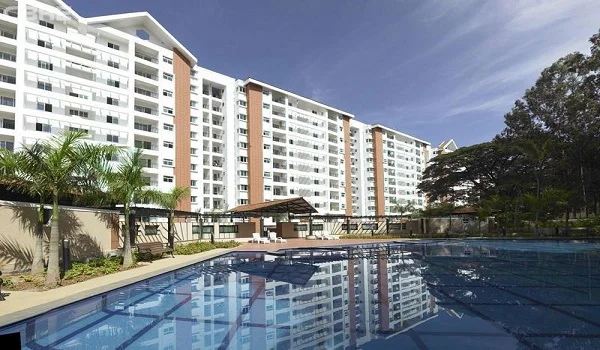
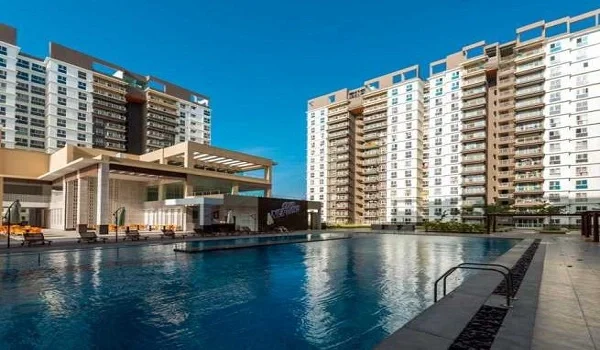
Properties with amenities like swimming pools, clubhouses, gyms and parks are more attractive to buyers and renters. These amenities can increase demand for the property.

Market Conditions

Property prices depend on market trends. Strong economic growth often supports better appreciation and rental demand.

Advantages of Calculating ROI


Better Investment Decisions

ROI helps buyers compare many projects. This makes it easier to pick the best investment option.

Clear Financial Planning

Buyers can guess future profits before investing. This helps in making real money plans.

Risk Assessment

ROI calculations help investors see possible risks and rewards. This supports smarter decision-making.

Performance Measurement

Investors can track how well their property does over time. ROI serves as a useful performance sign.

Common Mistakes While Calculating ROI


Many buyers make errors when guessing ROI.

One common error is missing extra costs like registration charges and maintenance deposits.

Another error is over-guessing future property values. Buyers should use real market hopes.

Some investors also forget to check loan interest costs. These costs can lower overall returns.

Careful calculations help make more accurate ROI guesses.

What is Considered a Good ROI in 2026?


A good ROI depends on the property type and spot. In many Indian cities, a total ROI between 15% and 30% over a few years is usually seen as appealing.

Projects in fast-growing areas may give even higher returns. Buyers should focus on long-term growth hopes rather than short-term gains.

Tips to Improve ROI

  • Pick projects in growing spots with strong infrastructure plans.
  • Buy during pre-launch or early construction stages when possible.
  • Look for projects by well-known developers with strong records.
  • Study local rental demand before making a buy.
  • Compare many homes before investing. Research helps buyers find projects with stronger growth prospects.

Prestige Group Prelaunch Project is Prestige Golden Grove.

FAQs


1. How do I calculate ROI on an apartment?

To calculate the return on investment for an apartment, you need to subtract what you paid for the apartment from what it's worth in the future. Then you divide that number by what you paid for the apartment and multiply it by 100 to get the percentage return on investment for the apartment.

2. Does rental income increase the return on investment for the apartment?

Yes, rental income can definitely increase the return on investment for the apartment. When you rent out the apartment, you get money every month after you take possession of the apartment. This extra money from income is added to the total return on investment for the apartment, which is a good thing for apartment investors.

3. What expenses should I include when I calculate the return on investment for the apartment?

When you calculate the return on investment for the apartment, you should include the price of the apartment, the GST, the registration charges, the stamp duty, the maintenance deposits, the legal fees and the costs related to the loan. Including all of these costs for the apartment will give you an accurate calculation of the return on investment for the apartment.

4. What is considered a good ROI in 2026?

A good ROI depends on the city, spot and project type. For example, in Indian cities, a return of 15 percent to 30 percent over a few years is considered good. It really varies.

5. Why do under-construction apartments offer ROI?

Under-construction apartments are often cheaper when they are first sold. As the construction progresses and the area gets infrastructure, the apartment prices may go up. This can give you a return on your investment. Under-construction apartments can offer an ROI because of this.

6. Which factors affect ROI the most?

Location, builder name, infrastructure growth, project amenities, rental demand, and market conditions are the main factors that affect ROI on a property investment.

7. Can ROI help compare different property projects?

Yes, ROI is one of the best tools for comparing many projects. It helps buyers find which home may give better profits and long-term growth prospects.

Prestige Golden Grove Blog


Enquiry
Enquire Now