History of Kollur in Hyderabad
Last updated: 17 June 2026
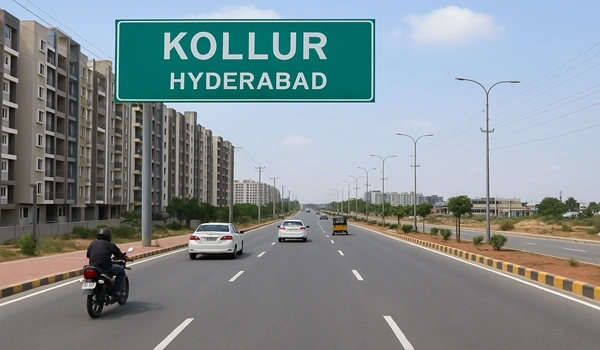
Kollur is a place in West Hyderabad that has a long and interesting history. Today, Kollur is known for new homes, wide roads, and modern living. But long ago, Kollur was a small and quiet village where people lived close to nature.
The story of Kollur shows how a simple village slowly became part of a big and busy city like Hyderabad.
Kollur as a Small Village
Many years ago, Kollur was mainly a farming village. People lived in small houses and worked in nearby fields. They grew crops like rice, vegetables, and pulses. Life was slow and peaceful. There were no big buildings, no traffic, and no busy roads.
Most people in Kollur depended on:
- Farming
- Cattle rearing
- Small local shops
The village had open lands, trees, ponds, and fresh air. Children played outdoors, and everyone knew each other.
Kollur During Early Hyderabad Growth
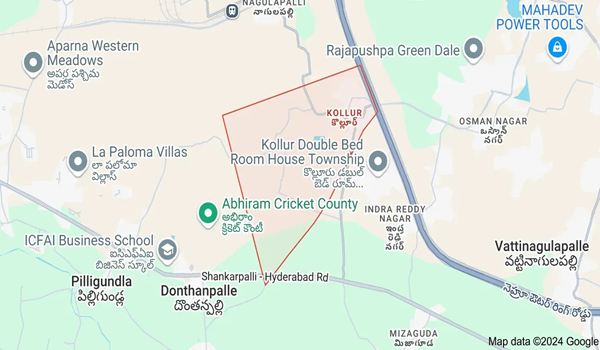
As Hyderabad started growing into a large city, nearby villages slowly began to change. Kollur was part of the Ranga Reddy district, which surrounded Hyderabad.
At first, Kollur did not change much. It remained far from the main city areas. But people slowly started noticing that Kollur was located in a good place, not too far from Hyderabad and close to important routes.
The Big Change – Outer Ring Road (ORR)
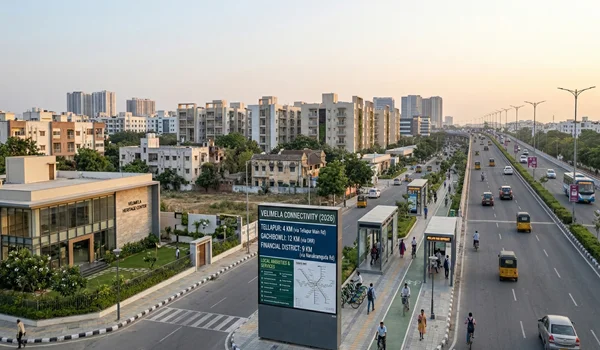
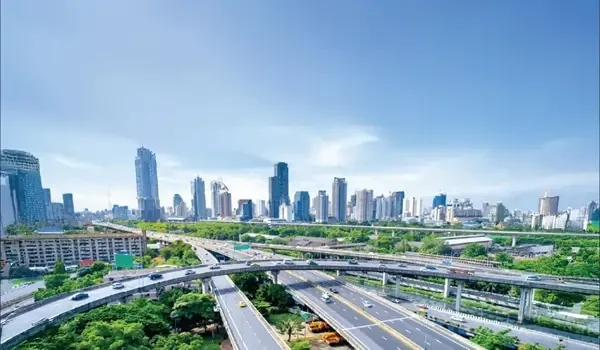
The biggest turning point in the history of Kollur came with the construction of the Outer Ring Road (ORR). The ORR is a large circular road built to make travel around Hyderabad easier. When the ORR passed near Kollur, everything changed.
Because of the ORR:
- Travel became faster
- Kollur became easy to reach
- Big areas became valuable
Kollur is close to ORR Exit 2, which made it very important for future development.
Connection to IT and Business Areas
After the ORR was built, Hyderabad’s IT sector grew very fast. Areas like:
- Gachibowli
- HITEC City
- Financial District
became major work centers.
Kollur was close to all these places. People working in offices wanted homes away from traffic and noise, but still close to work. Kollur became a good choice. This is when Kollur started changing from a village into a residential suburb.
Housing Projects and Population Growth
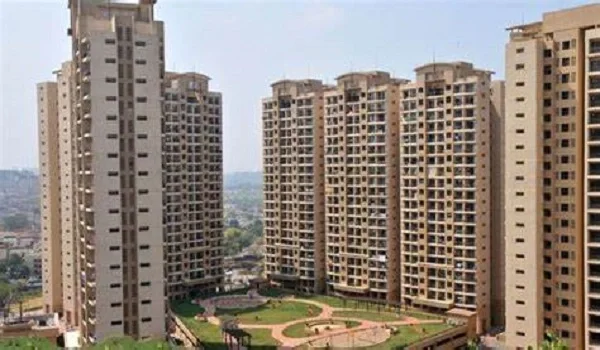
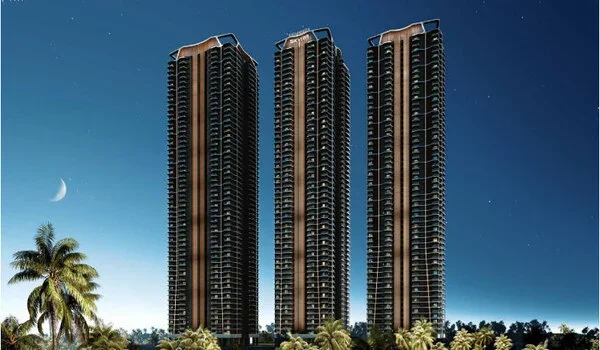
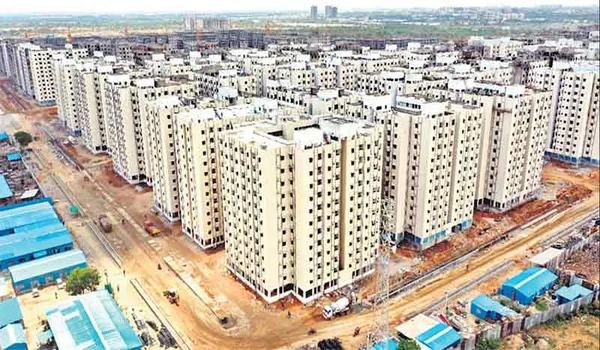
As more people moved to Kollur, the government and private builders started building homes.
One major development was the construction of large housing colonies. These projects provided homes to thousands of families. With more people coming in:
- Roads were improved
- Shops opened
- Schools and hospitals came up
Kollur slowly became busy, but it still kept some open and green spaces.
From Farmland to Modern Homes
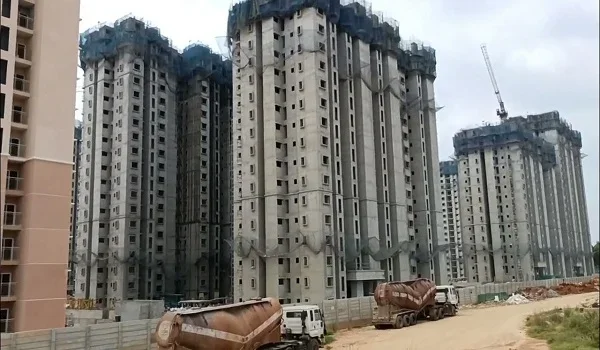
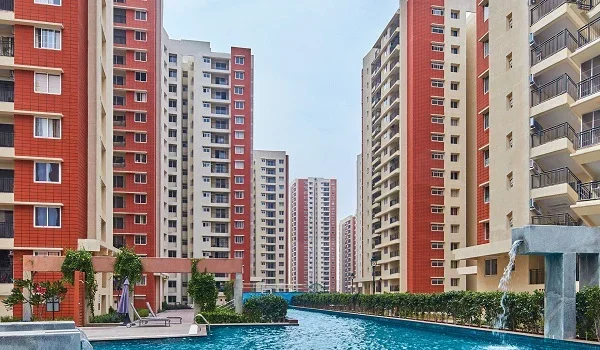
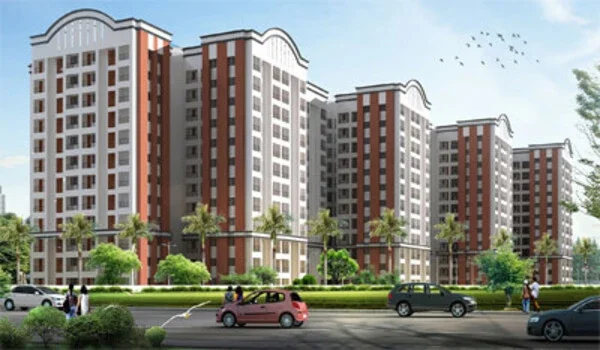
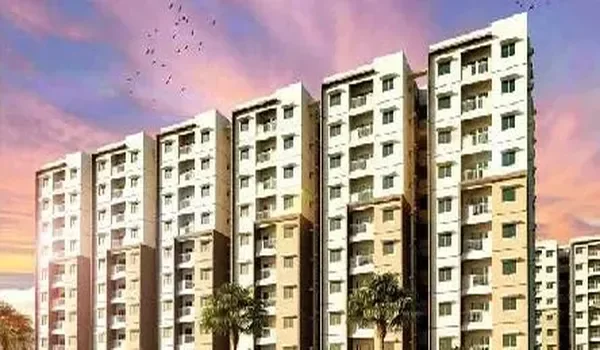
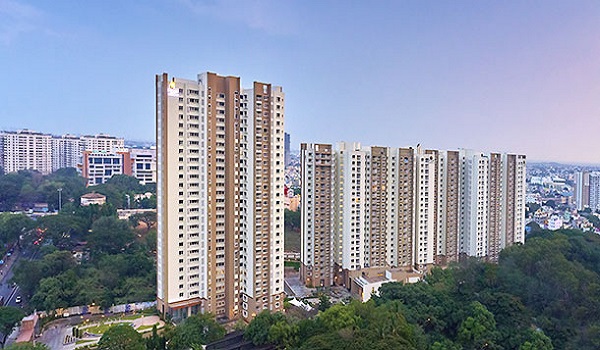
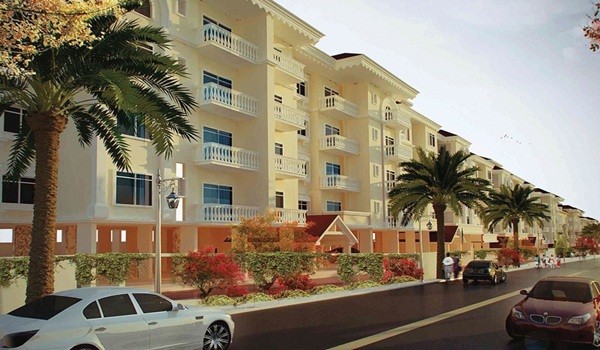
Over time, farmland in Kollur was slowly turned into:
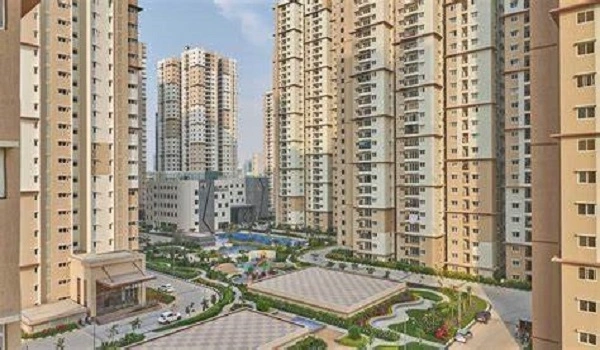
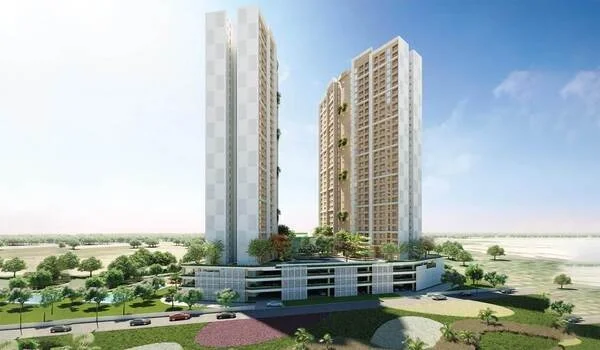
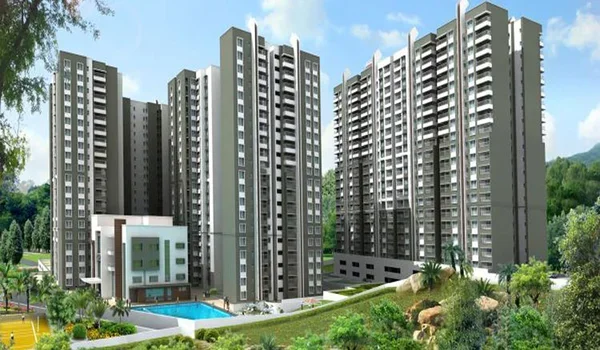
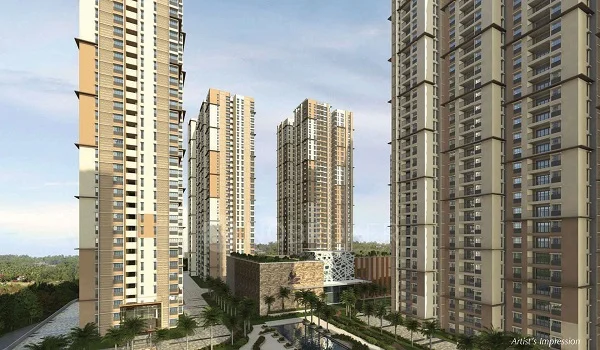
- Apartment buildings
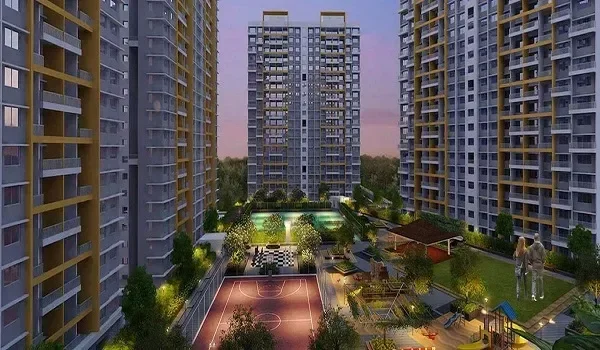
- Gated communities
- Villas
- Planned layouts
Big real estate companies started investing in Kollur because:
- Land was available
- Location was good
- Demand for homes was rising
This changed Kollur’s image from a rural village to a modern living area.
Kollur Today
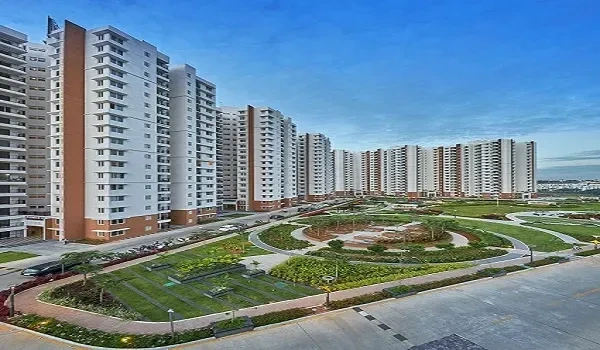
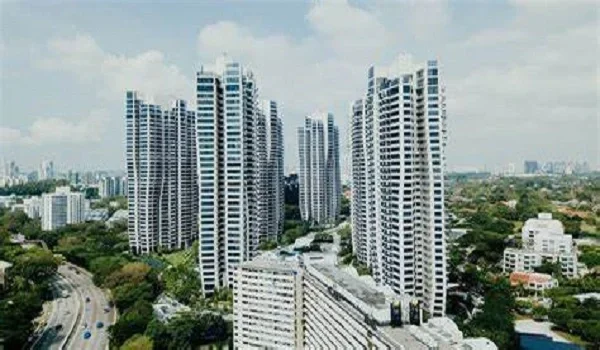
Today, Kollur is known as a fast-growing suburb of Hyderabad. It has:
- Wide roads
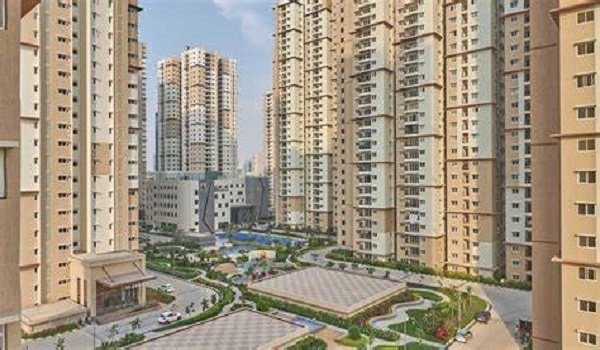
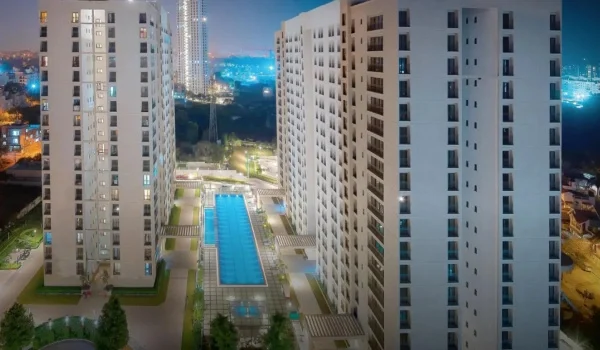
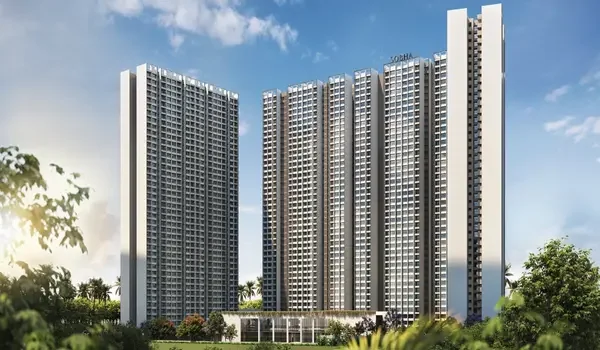
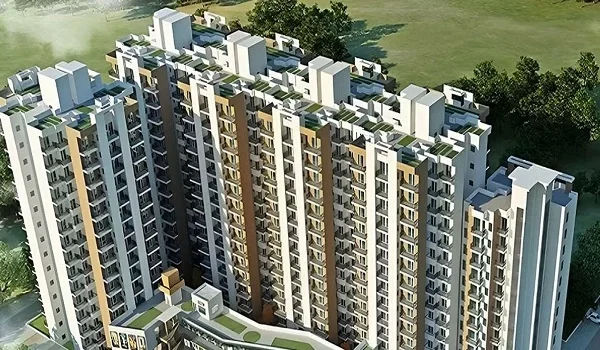
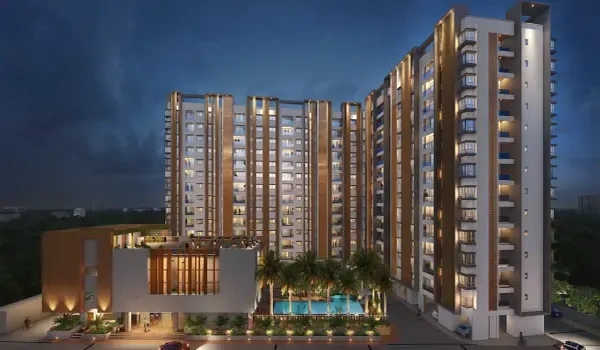
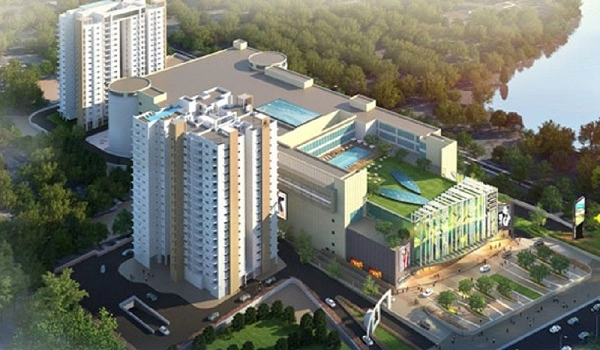
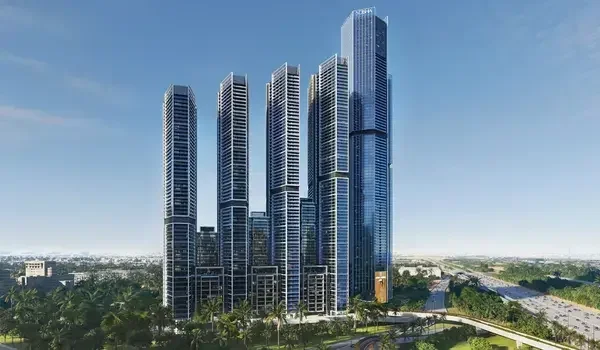
- Modern housing projects
- Schools and hospitals nearby
- Easy access to IT parks
Even today, some parts of Kollur still have greenery and open land, reminding people of its village past.
Why Kollur’s History is Important
The history of Kollur teaches us that:
- Cities grow by including nearby villages
- Good roads can change a place’s future
- Planning helps villages become better living areas
Kollur’s journey from farmland to a modern suburb shows how development can bring better lives while still keeping peace and space.
The history of Kollur in Hyderabad is a story of slow and steady growth. From a small farming village to a modern residential hub, Kollur has changed with time.
Today, Kollur stands as a place where:
- The past meets the future
- Peaceful living meets city comfort
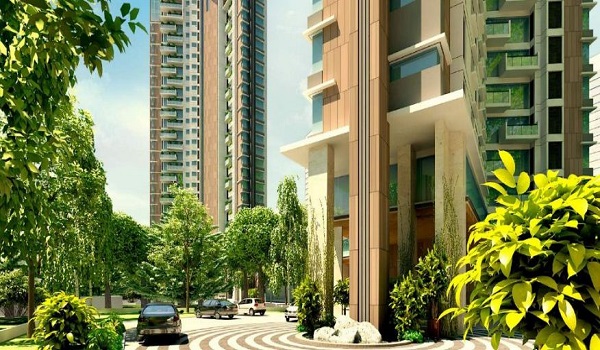
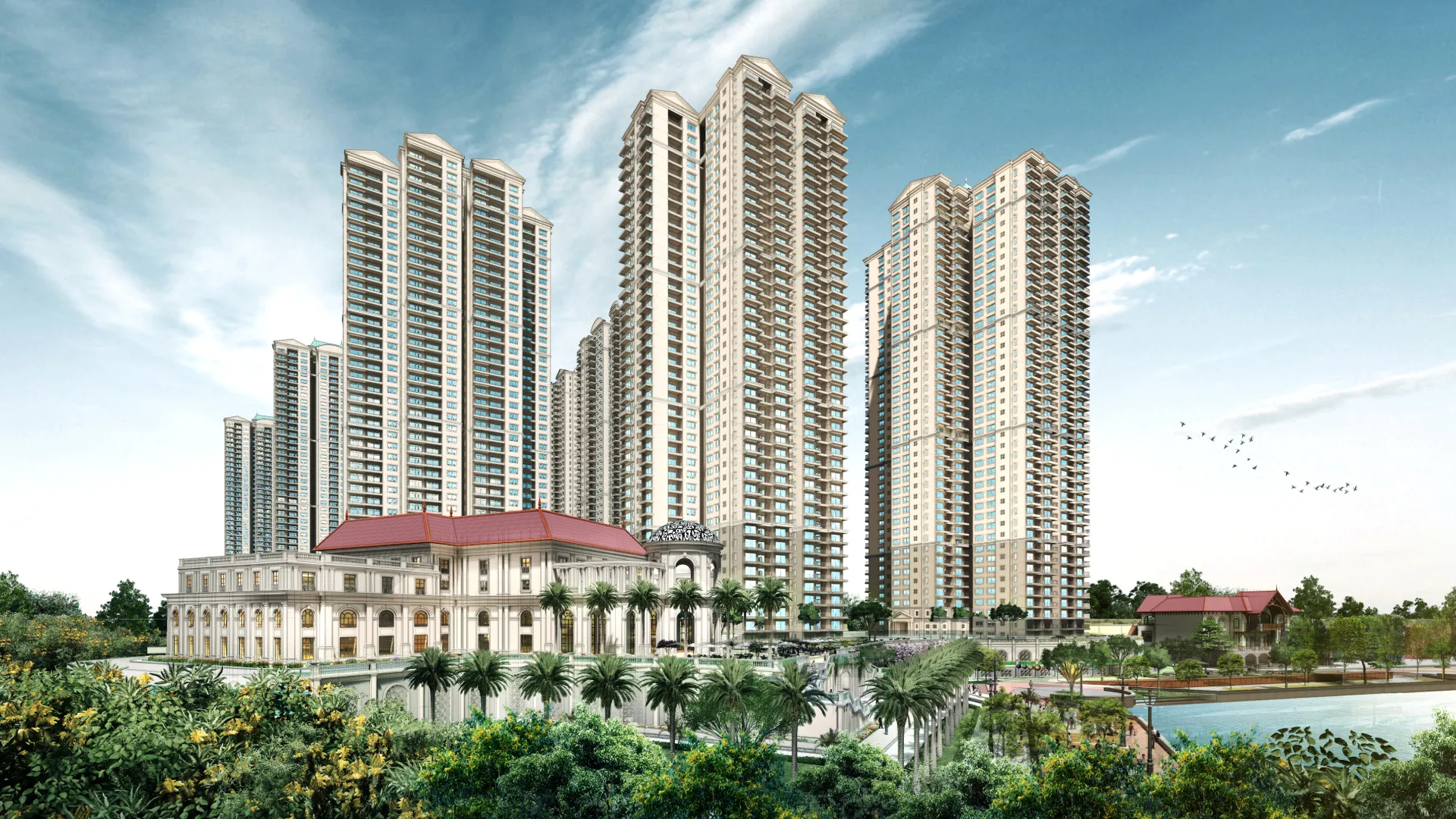
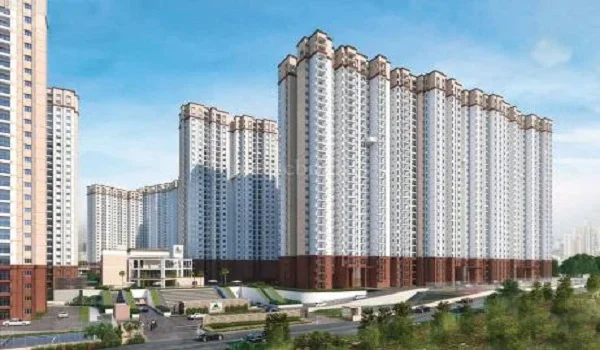
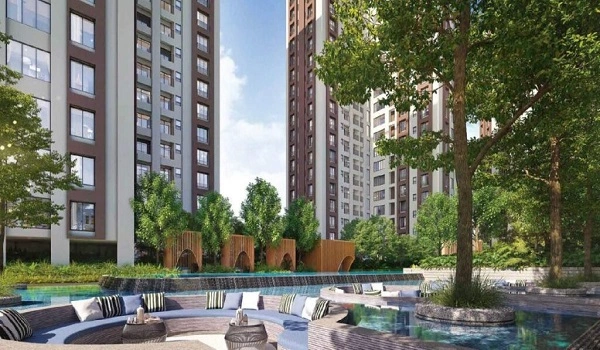
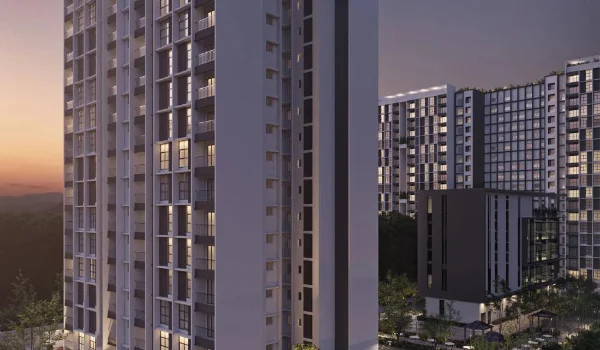
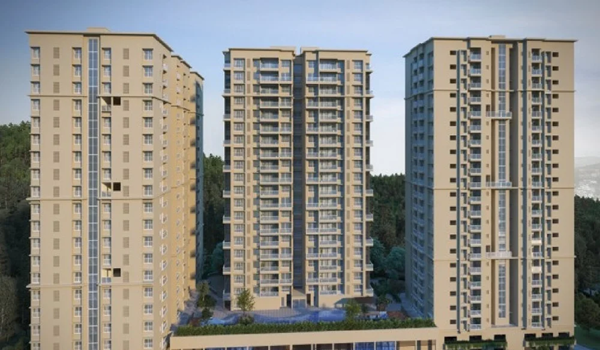
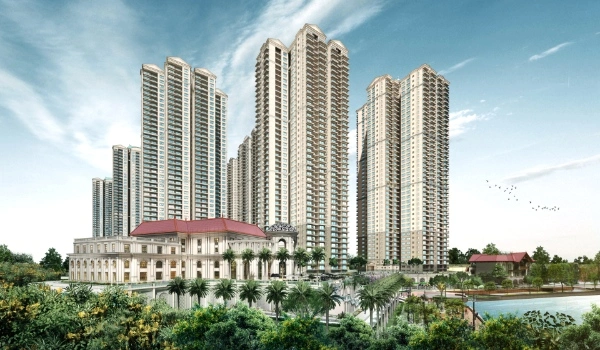
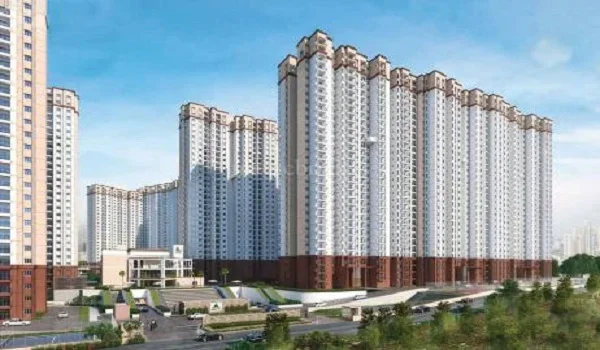
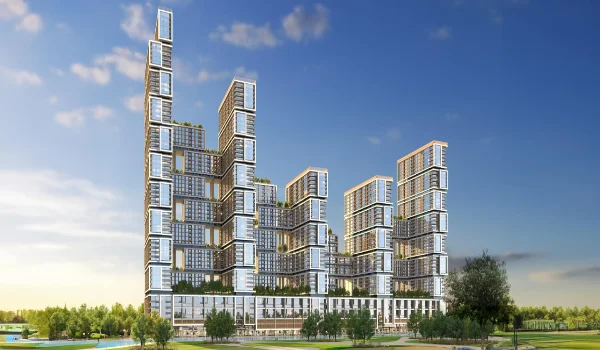
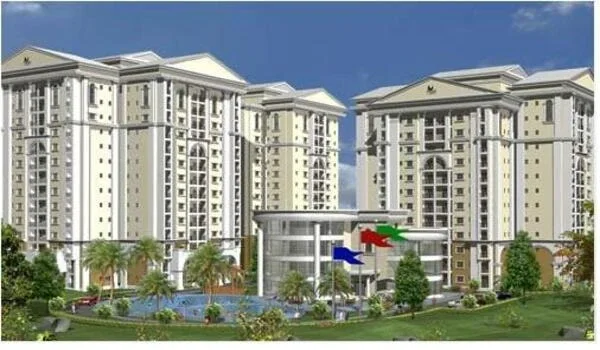
This strong background makes Kollur a perfect location for premium projects like Prestige Golden Grove, which continue the story of growth and modern living in West Hyderabad.
Who Should Buy in Kollur — and Who Should Skip
Kollur is not the right move for everyone. Here is an honest read on who tends to win by buying here, and who is genuinely better off elsewhere.
| Right fit | Better off elsewhere |
| IT professionals working at the Financial District, Gachibowli or Neopolis–Kokapet (about 15 minutes via ORR Exit 2). | Office-goers anchored to Uppal, LB Nagar or Pocharam, where the daily commute outweighs the price saving. |
| Families needing established K-12 schools — Gaudium, Oakridge, Glendale and CHIREC are already operational in the catchment. | Households with no school requirement who are comfortable with older inner-city pricing. |
| NRIs and end-users on a 4–6 year horizon aligned to Metro Phase 2 and the Regional Ring Road (RRR). | Investors hoping to flip within 12–24 months — appreciation here is structural, not a quick cycle. |
| Buyers wanting branded inventory at roughly ₹7,200–₹8,500 per sq. ft. while inner Kokapet trades above ₹12,000. | Buyers who want a fully settled, ready-to-move address today rather than a 2026-launched project that hands over later. |
Risk vs Reward — Reading Kollur Honestly
Every emerging market is a trade-off. These are the reward signals worth buying into, and the risks worth underwriting before you commit in Kollur.
| Reward signal | Risk to underwrite |
| A pricing gap of roughly 35–40% to neighbouring Neopolis–Kokapet for the same employment catchment. | Even on a launched project, ticket sizes on the remaining inventory can rise with floor-rise and price revisions before handover. |
| Two infrastructure triggers — Metro Phase 2 (2028–2030) and the RRR — are both progressing. | If either project slips 18+ months, the sharpest appreciation shifts into the post-handover window. |
| A settled K-12 cluster removes the “education-risk” premium common in newer pockets. | School-hour traffic adds congestion at peak times; tower facing is worth checking at the time of booking. |
| A healthcare cluster (Citizens, Continental, Airaavata) within 4–15 minutes. | The next tier of multi-speciality hospitals is still 18–24 months out. |
| Branded resale typically holds a 15–18% premium over local-builder stock in comparable Hyderabad markets. | A 5,120-unit township carries higher per-sq-ft maintenance (CAM) than a small 300-unit project. |
Where Kollur Goes Next — Beyond Basic Connectivity
Kollur’s next leg of growth is being written by infrastructure already in motion, not vague promises:
- Metro Phase 2: the planned Miyapur–Patancheru and Raidurg–Kokapet corridors (2028–2030) will bring rapid transit closer to the western belt; until then Kollur leans on the Nagulapalli MMTS (about 4.2 km) and ORR Exit 2.
- Commercial pull: the Neopolis–Kokapet Grade-A office cluster keeps expanding, and residential demand in adjacent pockets like Kollur typically follows office absorption with a two-to-three-year lag — a structural appreciation runway.
- Regional Ring Road (RRR): by re-routing long-distance traffic off the ORR, the RRR moves Kollur from an “edge” address toward a “mid-city” one without any change on the project side.
- Operational, not promised: the K-12 and healthcare clusters are already running, so buyers do not pay a “social-infrastructure-risk” premium common in newer pockets.
- Protected green edge: the ~3,500-acre ICRISAT research belt on the western boundary locks in low density and long-range views through land-use — something denser micro-markets cannot replicate.
Kollur vs Other West Hyderabad Pockets
How Kollur sits against the neighbouring corridors for a same-size, branded home:
| Entry price (₹/sq. ft.) | Market stage | Best for | |
| Kollur | ₹7,200–₹8,500 | Emerging | Biggest discount-to-Kokapet; long-horizon buyers |
| Velimela | ₹8,000–₹10,000 | Emerging-premium | Branded entry with the most growth headroom |
| Tellapur | ₹7,500–₹10,450 | Established mid-to-premium | Settled address, lower risk, smaller discount |
| Kokapet (Neopolis) | ₹9,050–₹12,550 | Premium / maturing | Prestige address; limited remaining headroom |
Kollur Price Trend & Land Rates (2026 → 2030)
Kollur is the value end of the West Hyderabad corridor: apartment rates here run roughly ₹7,200–8,500 per sq ft — the biggest discount to Kokapet (₹11,000–14,000) on the same Outer Ring Road. That gap is the core of the Kollur thesis: it sits at the early-stage of the cycle, so entry pricing today leaves the most room to appreciate as ORR Exit 2 access, the Nagulapalli metro plan and new job-hub demand mature toward 2030. Pre-launch and early-phase pricing in the corridor is where the steepest gains have historically been captured.
What Drives Kollur Appreciation
Three forces underpin Kollur values: signal-free ORR Exit 2 connectivity to the Financial District and HITEC City; proximity to West Hyderabad's expanding IT and GCC job hubs; and the entry of established developers — Prestige Golden Grove in adjacent Velimela being the headline — which tends to lift sentiment and benchmark pricing for the whole micro-market. Together these are why Kollur is increasingly framed as the “next Neopolis” for West Hyderabad buyers.
Who's Buying in Kollur & Rental Demand
The buyer base is a consistent mix of IT and GCC professionals working in Gachibowli and the Financial District, NRIs, and investors seeking early-stage entry ahead of the wider re-rating. The same employment pull supports rental demand — tenants want short, signal-free commutes to the western office clusters — which keeps well-located units occupied and underpins yields as the corridor builds out.
Frequently Asked Questions
What is the history of Kollur in Hyderabad?
Kollur was once a small, quiet farming village relying on farming, cattle rearing and local shops, and gradually became a fast-growing residential suburb of Hyderabad over time.
What changed Kollur from a village into a suburb?
The Outer Ring Road was the biggest turning point, making travel faster and Kollur easy to reach. Its location close to ORR Exit 2 made the area important for development.
Why do IT professionals choose to live in Kollur?
Kollur is close to Gachibowli, HITEC City and the Financial District, so office workers wanting homes away from traffic and noise but near work increasingly chose Kollur.
What major project is being developed in the Kollur area?
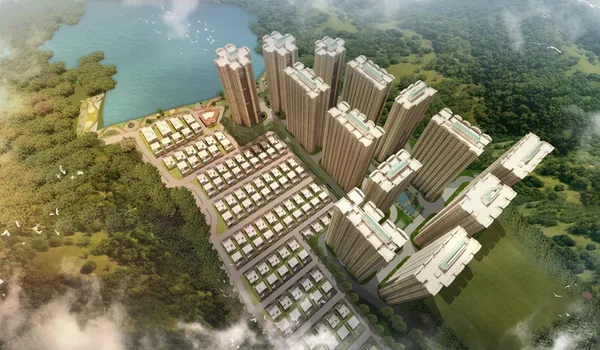
Prestige Golden Grove by Prestige Group is the project featured for this locality. The fact sheet describes it as a 28.7-acre development with 10 towers and 5,120 units in 2, 3 and 4 BHK configurations near Velimela and Kollur.
What does Kollur offer residents today?
Kollur today as a fast-growing suburb with wide roads, modern housing projects, nearby schools and hospitals, and easy access to IT parks, while keeping some open and green spaces.
Prestige Golden Grove Blog