India Commercial Real Estate Growth Outlook 2026–2034

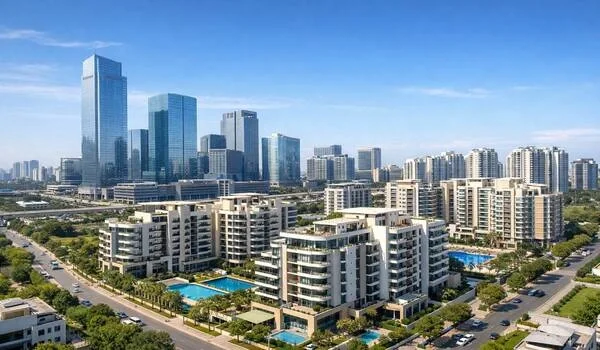
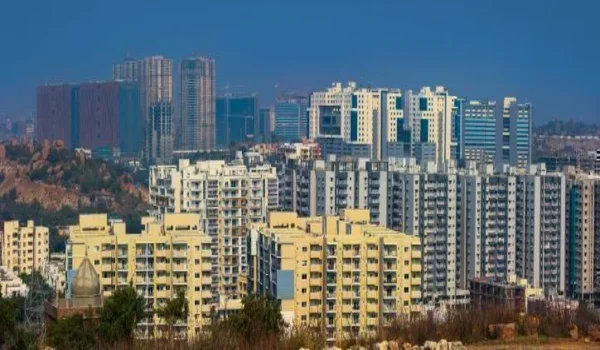
Featured Image of India Commercial Real Estate Growth Outlook 2026–2034


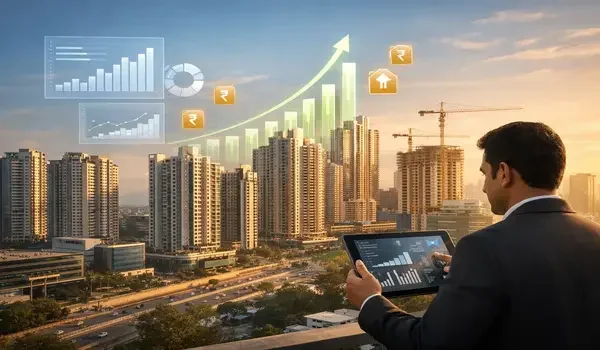
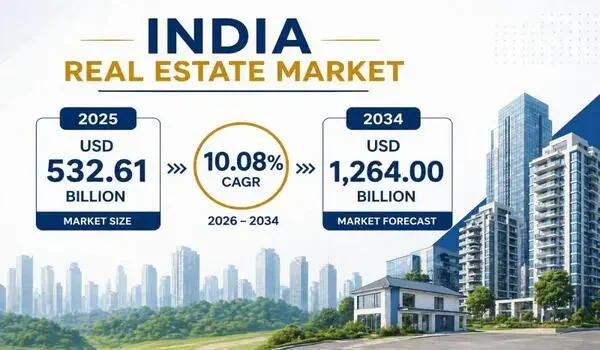
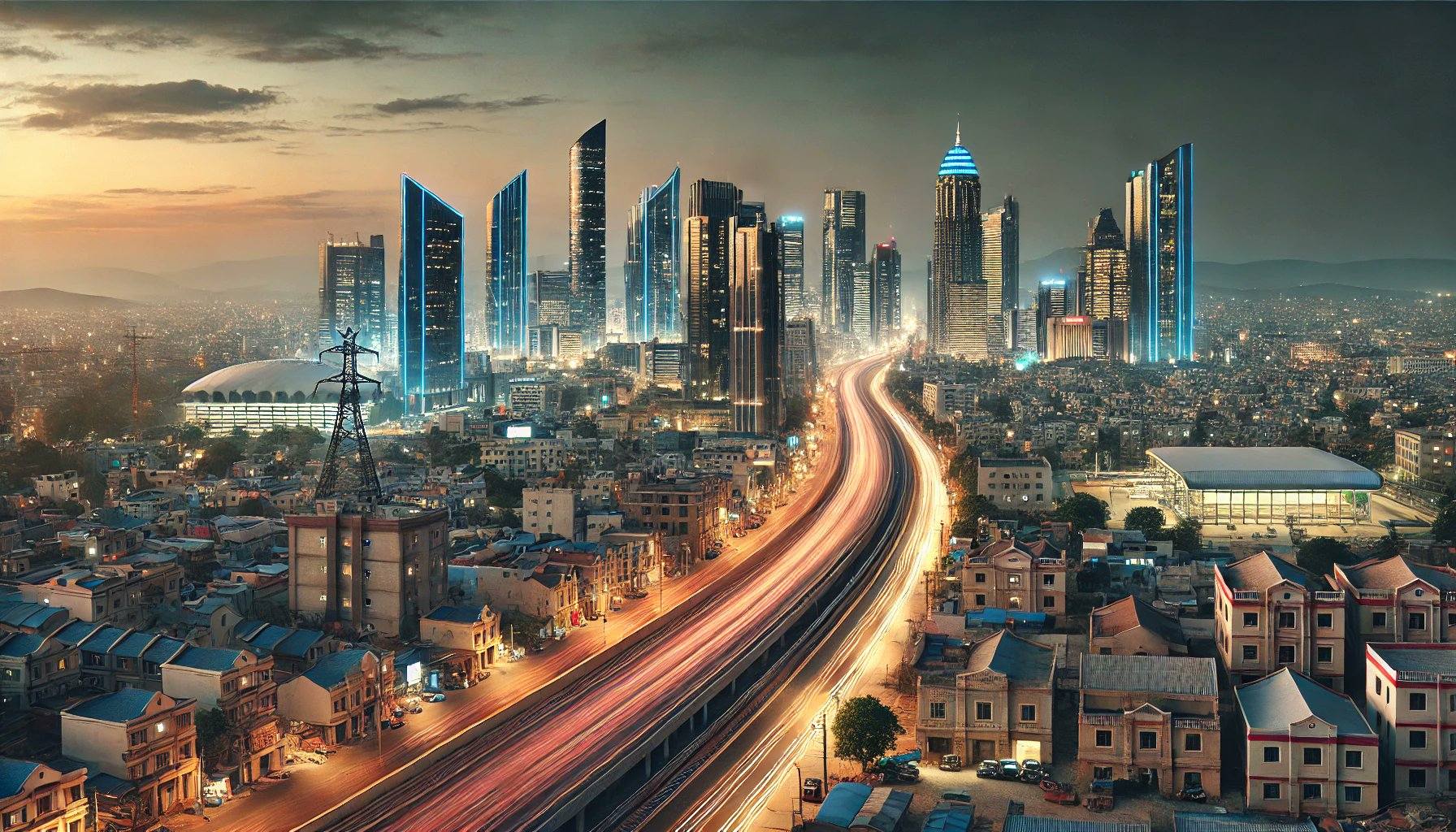
The India commercial real estate market is entering a major growth cycle between 2026 and 2034, driven by Global Capability Centers (GCCs), flexible workspaces, and logistics hubs. New data shows the market will jump from $59.67 billion to $281.65 billion by 2034. This is a massive yearly growth rate of 18.82%. Global tech shifts cause small bumps, but office demand stays very strong. India is now a top global hub for research and business ideas.

This quick guide covers major trends, top cities, and key investment tips.
What Is Driving the Ten-Year Growth?


Two simple economic shifts are pushing office leasing to new record highs.

1. The Growth of Massive GCCs

Foreign firms are building large tech hubs in India at a fast pace. These firms need top-tier office spaces that use green energy. Cities like Bengaluru, Hyderabad, and Pune lead this demand.

2. Warehouses and Data Hubs

Online shopping apps and cloud storage require massive warehouse spaces. Suburban areas near major cities are seeing high land sales for these setups.

Moving Into Integrated Townships


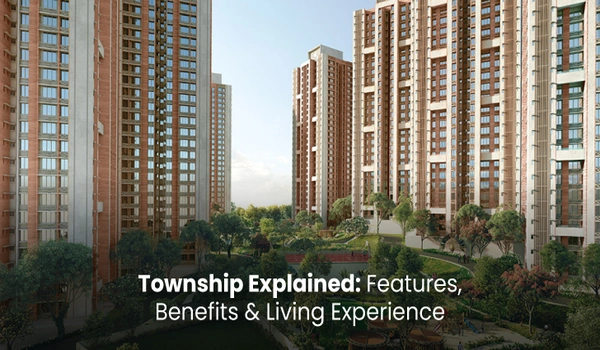
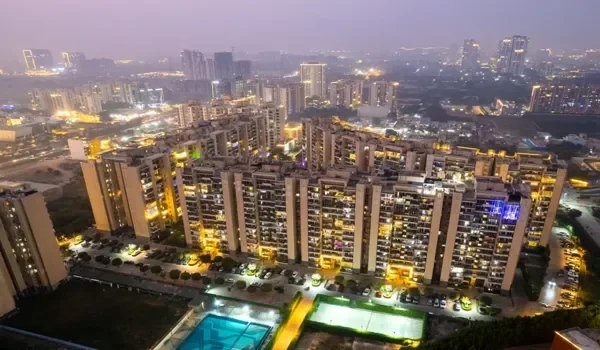
Old business areas suffer from bad traffic and high rental costs. Because of this, large companies now prefer self-contained townships. These spaces blend workspaces, retail shops, and luxury homes together.
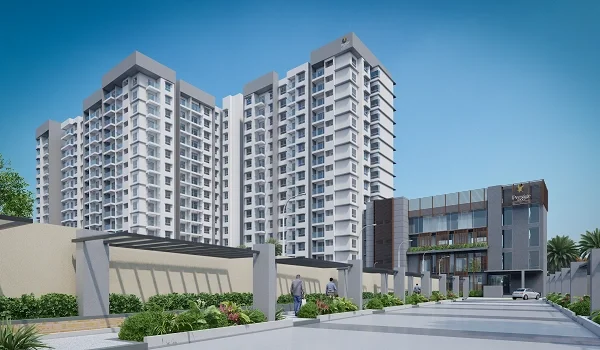
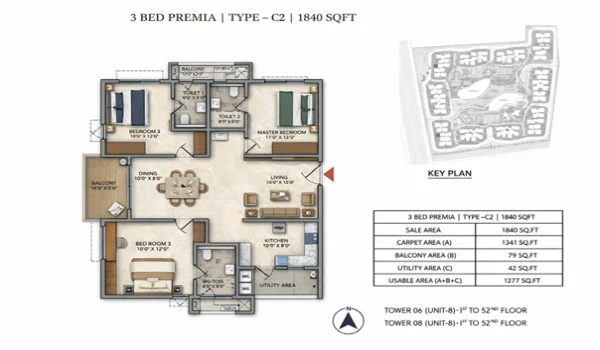
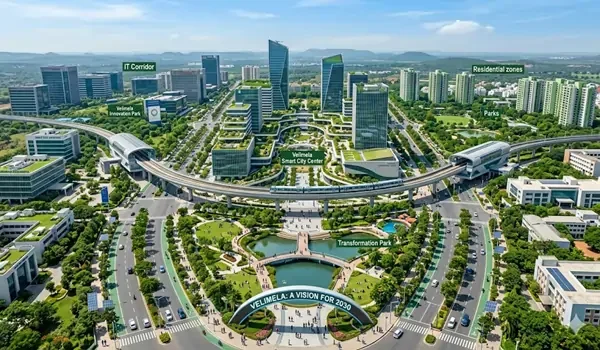
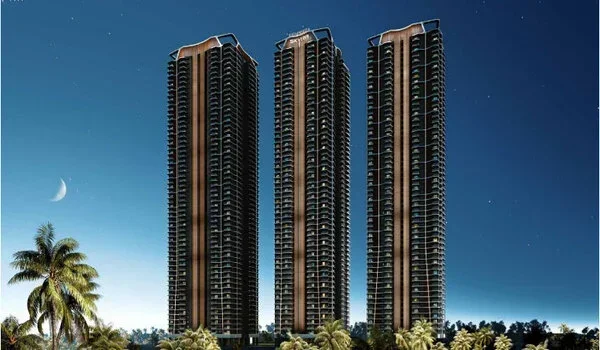
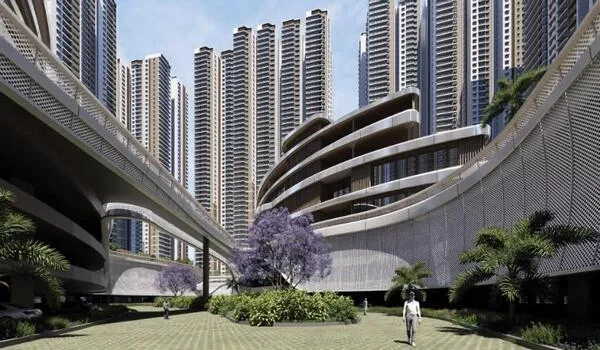
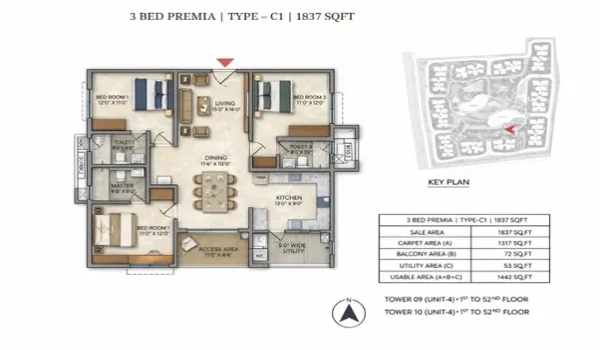
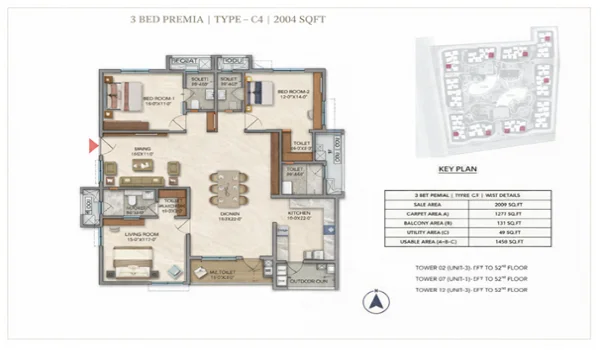
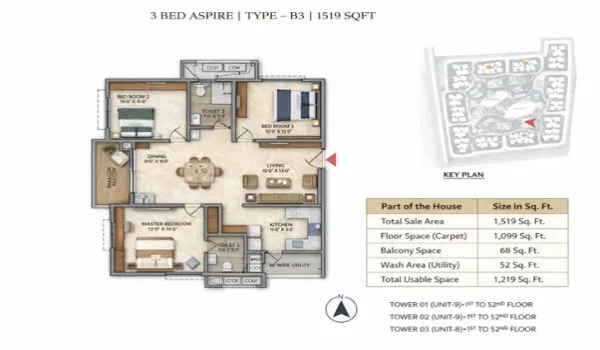
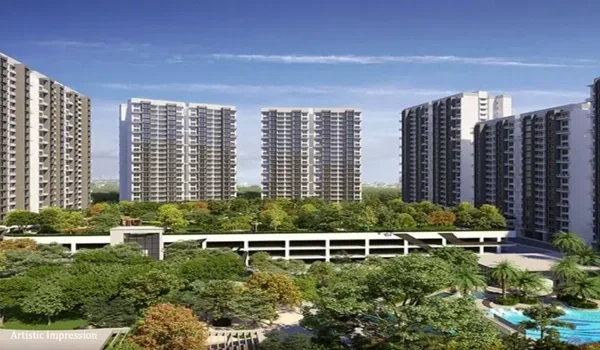
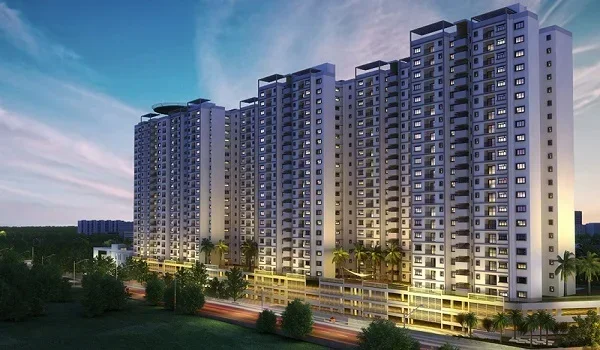
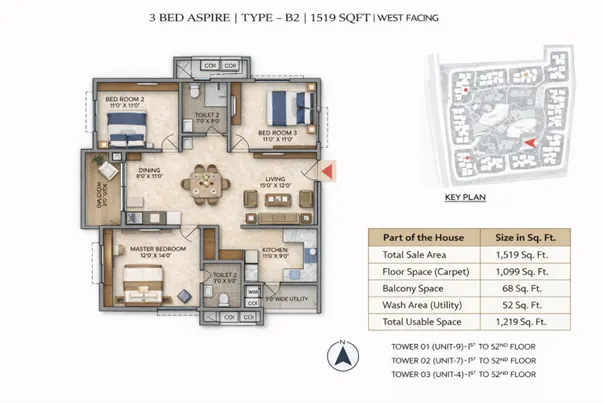
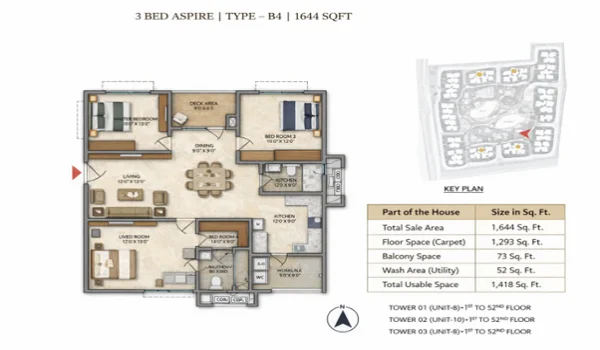
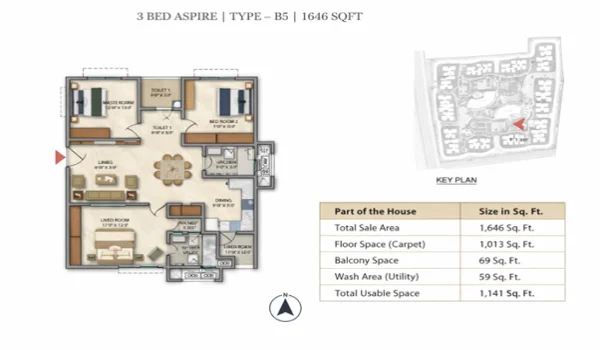
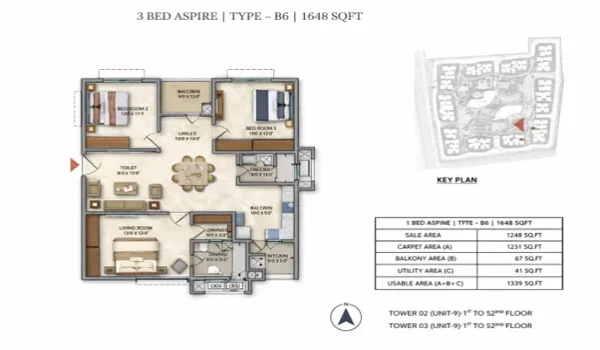
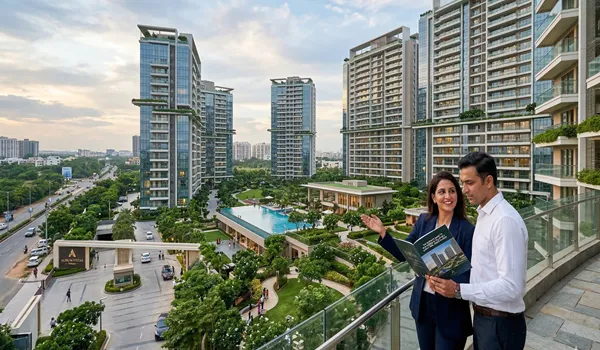
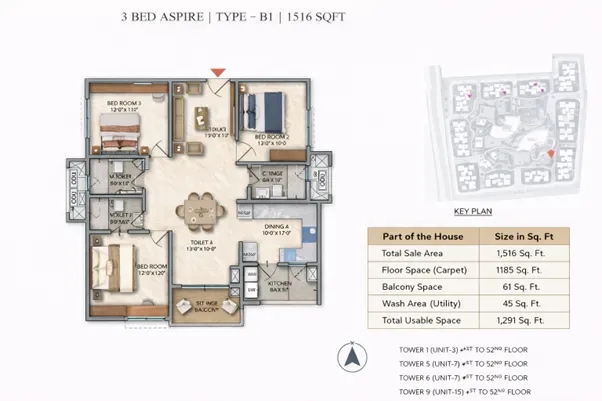
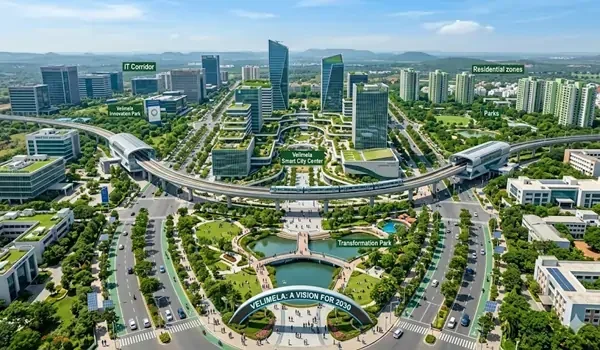
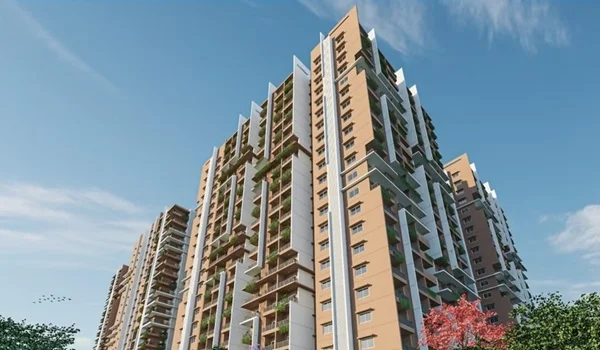
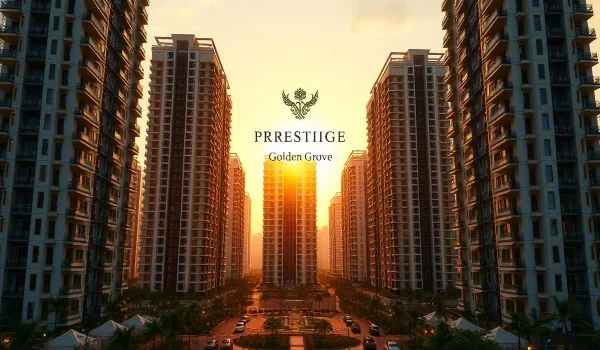
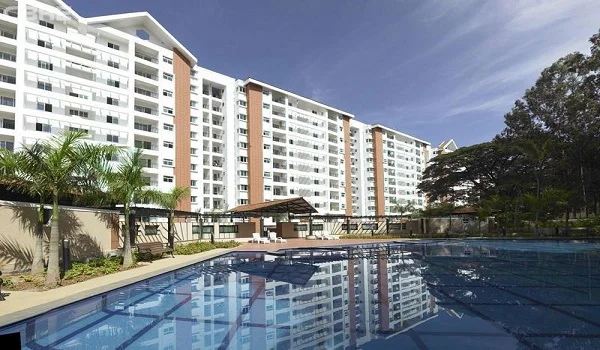
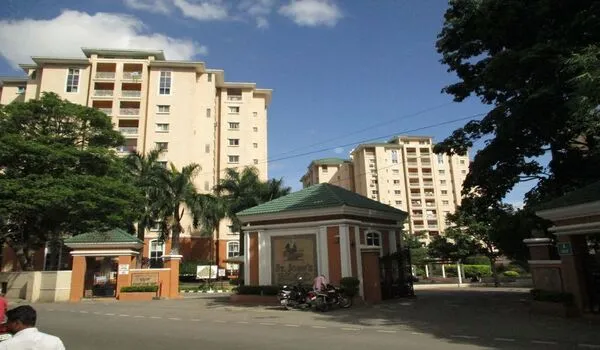
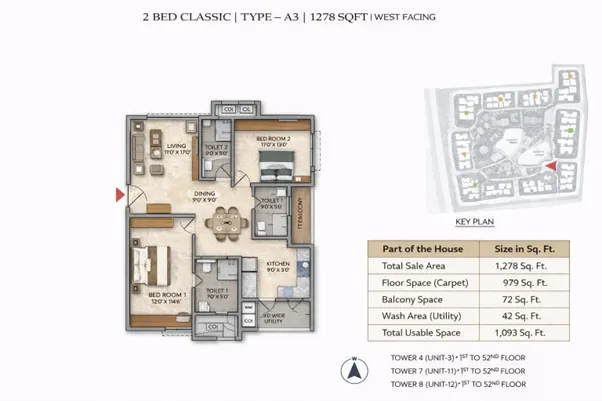
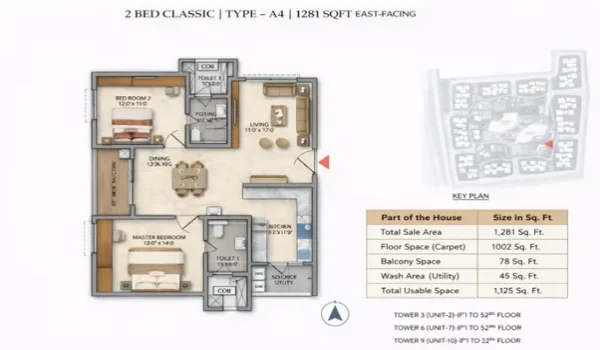
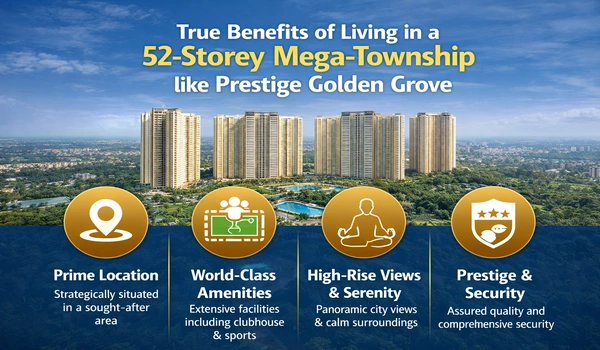
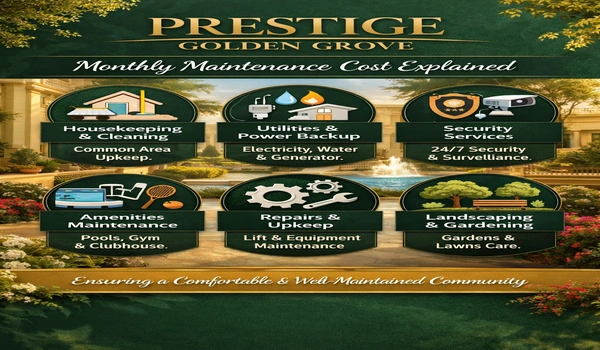
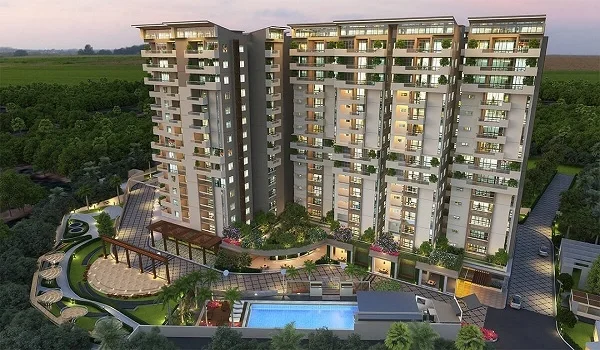
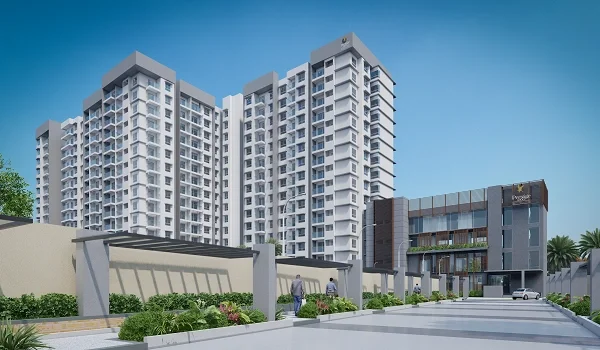
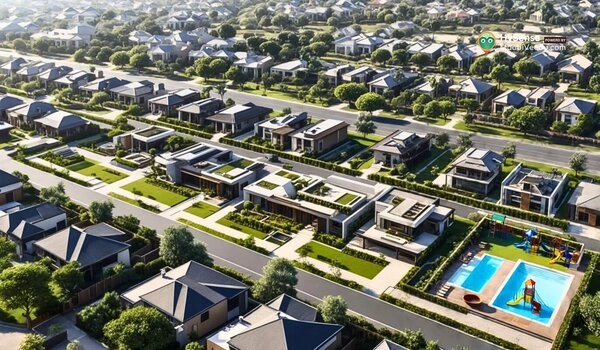
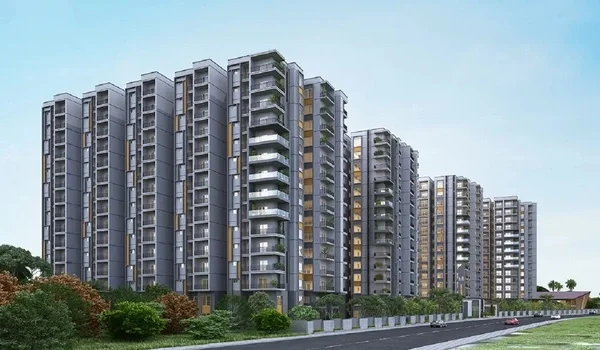
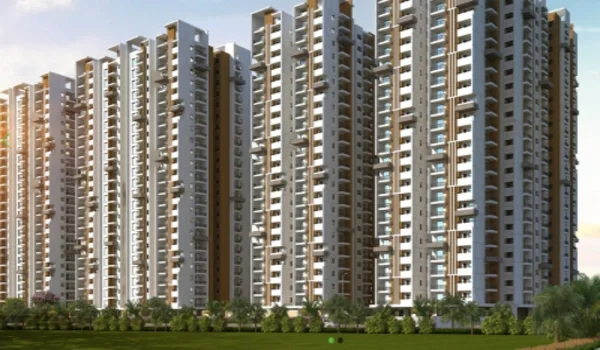
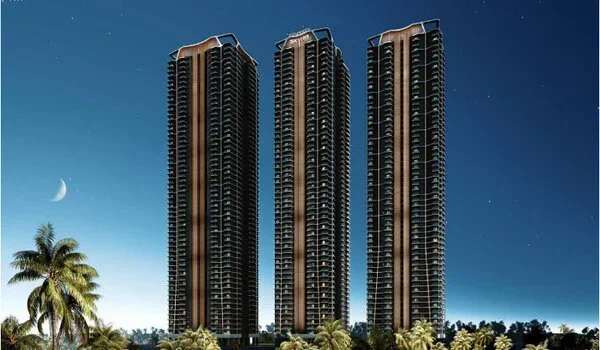
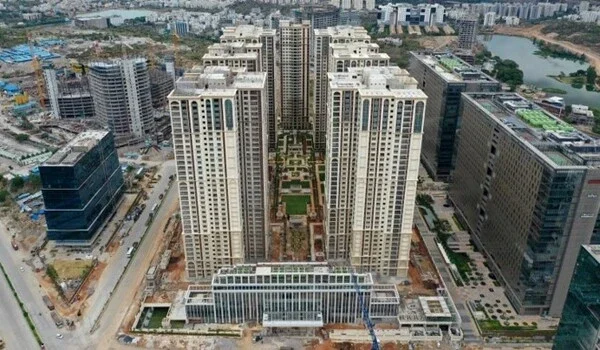
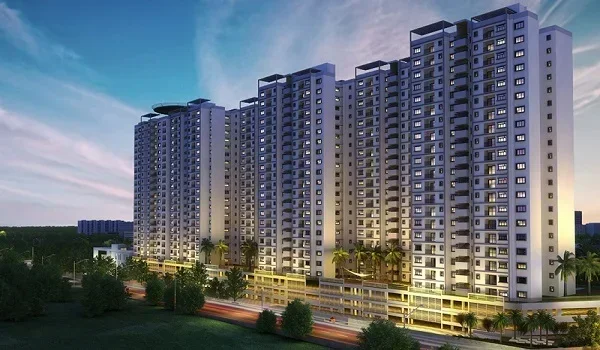
A prime example is Velimela in West Hyderabad. Integrated projects like Prestige Golden Grove are drawing major attention. This large 28.7-acre gated township offers luxury 2 to 4 BHK flats next to commercial plazas. It sits just two minutes from the Outer Ring Road (ORR) Exit 2. This prime spot allows executives to live right by their offices. For investors, these outer hubs offer excellent long-term asset growth.

Pros and Cons for Commercial Investors


Investing in Indian business properties requires looking at both risks and rewards:

The Pros

  • High Rental Income: Grade-A office spaces deliver annual rental yields of 7% to 9%. Home rentals give just 2% to 3%.
  • Long-Term Leases: Corporate tenants sign steady leases for 3, 5, or 9 years. They include fixed rent hikes.
  • Easy Online Entry: Real Estate Investment Trusts (REITs) let you buy small shares of top buildings. You do not need crores of cash.

The Cons

  • High Initial Costs: Buying a whole office building directly takes a lot of upfront cash.
  • Tech Cycle Risks: A decrease in global tech spending can delay the new corporate leases.
  • Deep Checks Needed: Landlords have to check the financial health of tenants to avoid sudden exits.

Simple Investment Strategy


Avoid crowded city centers where entry prices are too high. Focus your attention on these three smart steps.
  • Pick Outer Ring Roads: Look for new business zones growing along outer transit routes.
  • Choose Certified Buildings: Corporate tenants are actively avoiding older structures without green labels.
  • Verify the Management: Good property managers keep buildings fresh and corporate clients happy.

FAQs


1. What is the average rental yield for commercial spaces in India?

Premium business buildings give good as well as steady returns of 7% to 9% per year. This easily beats residential yields.

2. How do GCCs impact the local office market?

Global Capability Centers need large floor areas for engineering teams. This keeps occupancy rates high.

3. Is it safe to invest in commercial properties via REITs?

REITs are fully monitored by SEBI. They distribute steady dividends to everyday investors without any property hassles.

4. Which Indian cities show the best growth for business hubs?

Bengaluru and Hyderabad lead the country in office leasing. Mumbai and Delhi-NCR lead in retail as well as logistics hubs.

5. Why are mixed-use townships good for real estate?

Townships bring offices, housing, and shops together. This cuts daily travel times and keeps property values secure.

Prestige Golden Grove Blog


Enquiry
Enquire Now