Possession & Handover Inspection Checklist

Featured Image of Possession & Handover Inspection Checklist


A final possession and handover inspection, also called a snagging checklist, is a systematic room-by-room walkthrough you complete before taking legal ownership of your new home to find structural defects, cosmetic flaws, as well as functional issues that the builder must fix. In a large high-rise community, this visual review is your ultimate defense against poor wall finishes, bad wiring, or any hidden plumbing leaks. Stepping into your new apartment with a clear plan turns a major emotional milestone into a smart, protective business step.


Your Room-by-Room Handover Checklist


When checking your new home, consistency is everything. Use this clear checklist in every room to get the hidden issues before you accept the keys.
1. Walls, Floors, as well as Finishes

  • Hollow Floor Tiles: Tap your floor tiles gently with a wooden rod. A dull, empty echo means there is no cement underneath, which will cause the tile to crack later. Check that the tile joints are straight and filled cleanly.
  • Smooth Wall Paint: Shine a strong flashlight flat against the walls from the side. This simple lighting trick instantly reveals uneven plaster work, wavy paint patches, and spots missing a base coat.
  • Doors and Windows: Open and close every single door and window a few times. Listen for creaking hinges, check for gaps in the rubber seals, and make sure locks click shut smoothly without forcing the handle.

2. Electrical Plugs and Safety Switches

  • Working Sockets: Plug a small phone charger into every power socket in the home to verify that the electrical wiring is live and connected right.
  • Main Fuse Box: Open your internal fuse panel. Make sure every circuit breaker switch has a clear label showing its room, as well as press the test button to give the safety trip works instantly.

3. Taps, Pipes, and Floor Slopes

  • The Bucket Water Test: Pour a full bucket of water onto your bathroom and balcony floors. The water should run straight into the drain within a minute. If it pools in a corner, your floor slope is wrong as well as it will cause damp walls.
  • Under-Sink Drips: Turn on all your kitchen and bathroom taps at the same time for two full minutes. Run your dry hand along the bottom of the pipes and water meters to feel for small, slow water leaks.

Pros and Cons of Hiring a Professional Inspector


Many homebuyers try to check their apartments alone, but hiring an independent inspection company has become a popular option.

The Advantages

  • Heat Cameras: Experts use special thermal cameras to see moisture trapped deep inside walls long before it ruins your paint or turns into mold.
  • Laser Measures: Using digital tools proves exactly if a wall is straight or if a door frame is warped beyond normal engineering limits.
  • Stronger Reports: A formal report from an inspection firm gives you solid proof, making it very hard for a developer to ignore your repair list.

The Disadvantages

  • Extra Cost: Independent professional inspection services cost extra money, based mostly on the total square feet of your flat layout.
  • Delay in Keys: Writing down a long list of minor flaws can push back your official move-in date by two to four weeks while the site team fixes everything.

Your 5-Year Legal Safety Shield


The true strength of your handover list comes from real estate laws. Under the national Real Estate Regulatory Act (RERA), buyers get a mandatory 5-year structural defect liability period.

[Issue Found] ➔ [Written in Handover List] ➔ [Builder Fixes in 30 Days] ➔ [5-Year Structural Cover Continues]

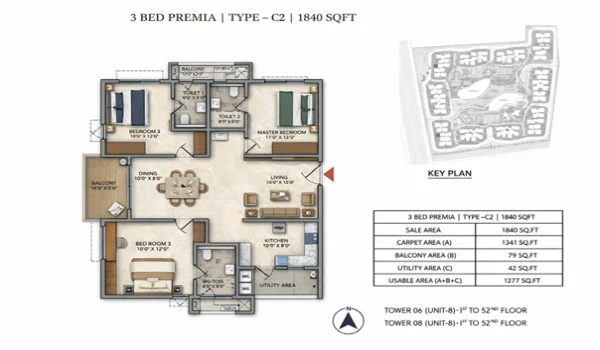
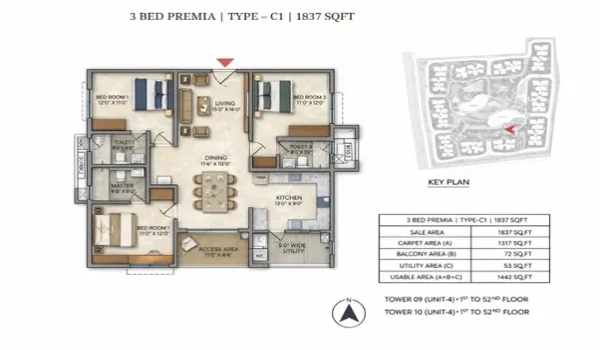
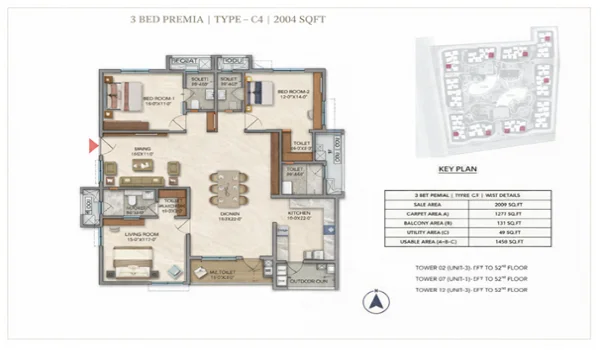
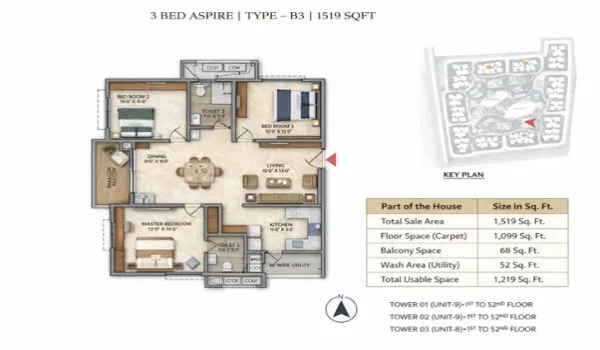
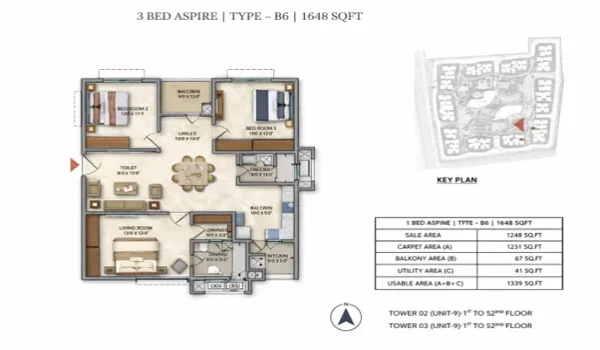
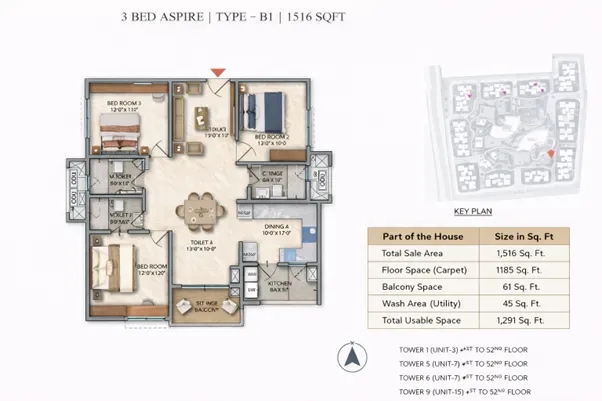
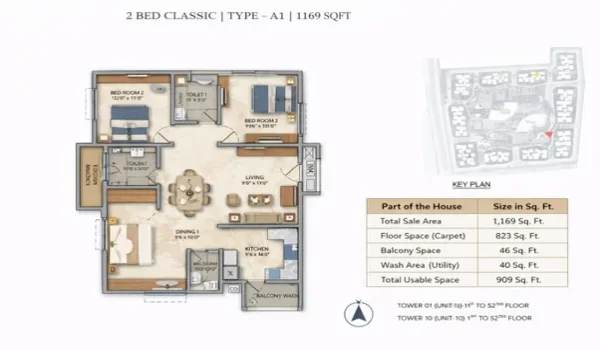
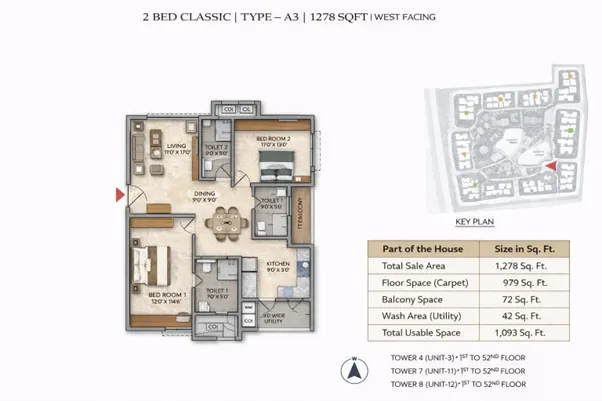
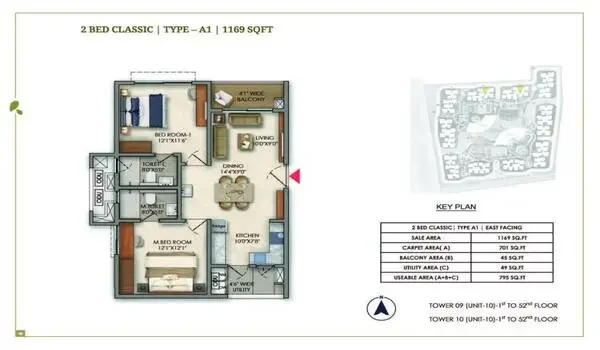
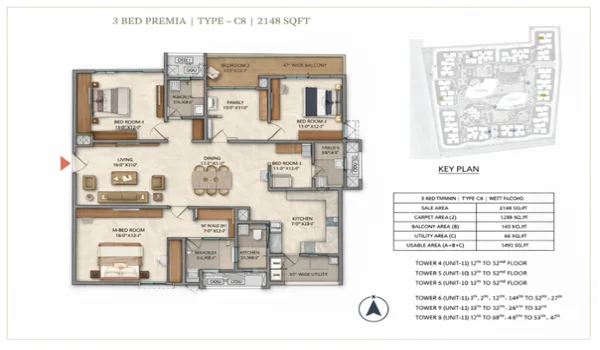
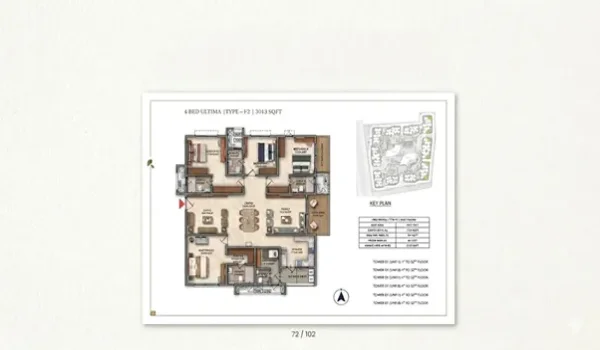
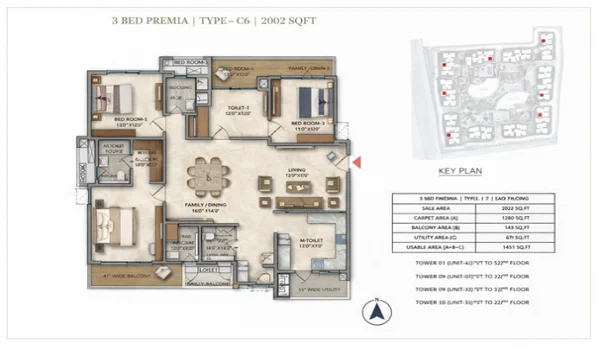
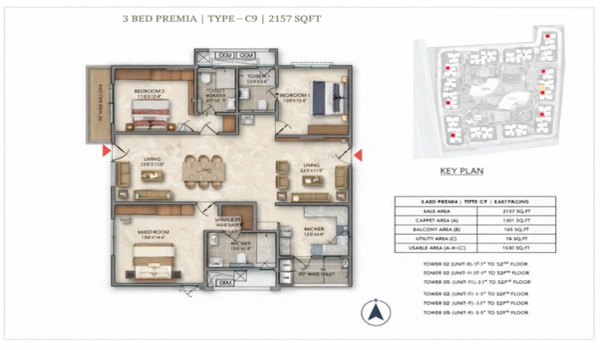
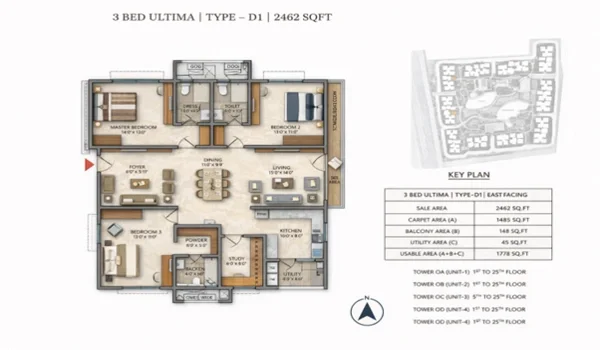
At a premium township like Prestige Golden Grove in West Hyderabad—which features 10 grand towers rising 52 floors high—this legal safety net is highly valuable. Whether you are moving into a comfortable 1,169 sq. ft. 2 BHK unit or an expansive 3,013 sq. ft. 4 BHK sky villa, any genuine flaw found within five years of your handover date must be repaired by the builder for free. Writing these snags down on your initial handover report creates an official paper trail that keeps your home value safe.

FAQs


1. Can the builder force me to accept the keys if there is any open flaws?

No. You have the full legal right to refuse to sign the final handover letter if you find major, unaddressed issues that make the apartment unsafe or sometimes incomplete.

2. What are the most common flaws found in new high-rise flats?

The most frequent issues are hollow flooring tiles, misaligned sliding doors, blocked balcony drains, reversed hot-and-cold water pipes, as well as rough wall patches.

3. How much time does the builder have to fix the items on my checklist?

Under the law, the developer must repair any real structural, finish, or functional flaws completely free of charge within 30 days of receiving your list.

4. Should I inspect my basement parking space too?

Yes. You must check your assigned parking slot to ensure it matches the exact space number in your booking contract, has no ceiling pipe leaks, and is easy to drive into.

5. Do I lose my right to complain if I find a defect after moving into the house?

No. Thanks to the 5-year RERA liability rule, you remain fully protected against structural problems and poor workmanship even after you move your furniture in.

Prestige Golden Grove Blog


Enquiry
Enquire Now